Archives
- 2018-07
- 2018-10
- 2018-11
- 2019-04
- 2019-05
- 2019-06
- 2019-07
- 2019-08
- 2019-09
- 2019-10
- 2019-11
- 2019-12
- 2020-01
- 2020-02
- 2020-03
- 2020-04
- 2020-05
- 2020-06
- 2020-07
- 2020-08
- 2020-09
- 2020-10
- 2020-11
- 2020-12
- 2021-01
- 2021-02
- 2021-03
- 2021-04
- 2021-05
- 2021-06
- 2021-07
- 2021-08
- 2021-09
- 2021-10
- 2021-11
- 2021-12
- 2022-01
- 2022-02
- 2022-03
- 2022-04
- 2022-05
- 2022-06
- 2022-07
- 2022-08
- 2022-09
- 2022-10
- 2022-11
- 2022-12
- 2023-01
- 2023-02
- 2023-03
- 2023-04
- 2023-05
- 2023-06
- 2023-08
- 2023-09
- 2023-10
- 2023-11
- 2023-12
- 2024-01
- 2024-02
- 2024-03
- 2024-04
- 2024-05
-
Besides Arg overexpression our data revealed that AGEs
2024-05-14
Besides Arg2 overexpression, our data revealed that AGEs could decrease eNOS mRNA levels, which is considered a significant cause for attenuated NO production and vasodilation. It was found recently that AGEs significantly reduce eNOS expression levels and NO bioavailability in human carotid artery
-
br Apelin Discovered in apelin was
2024-05-14
Apelin Discovered in 1998, apelin was initially identified as the sole endogenous ligand for the APJ receptor (Tatemoto et al., 1998). Apelin-77 (pre-pro-apelin) is the precursor for various pharmacologically active apelin isoforms (e.g. apelin-12, -13, -17 and 36), and it shares 75–95% sequence
-
Of the cardiovascular studies involving ARBs reported renal
2024-05-13
Of the cardiovascular studies involving ARBs, 3 reported renal outcomes. In the Losartan Intervention For Endpoint study, albuminuria was observed less frequently in the losartan than in the atenolol arm (7% vs. 13%; p=0.002) (5). In the Candesartan Antihypertensive Survival Evaluation in Japan tria
-
br Prostate cancer and resistance to AR
2024-05-13
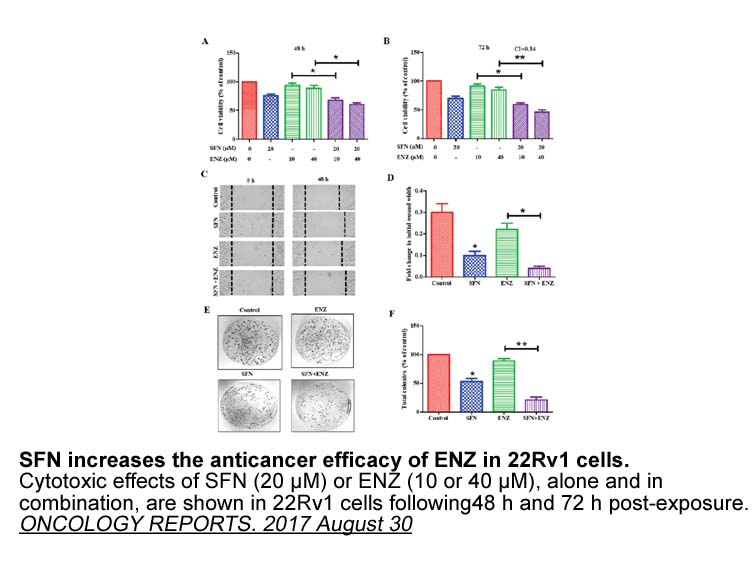
Prostate cancer and resistance to AR targeting treatment The AR plays a pivotal role in the development, differentiation, homeostasis and secretory function of the normal prostate (Wilson, 2011). The AR is also a key player in many phases of prostate carcinogenesis (Huggins et al., 1941, Scher an
-
APP is a member of a conserved protein family
2024-05-13
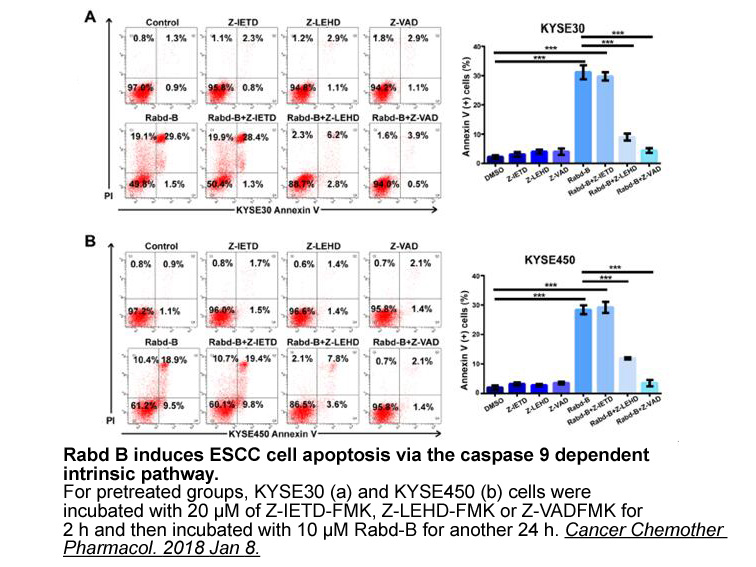
APP is a member of a conserved protein family that also includes amyloid precursor-like proteins 1 and 2 (APLP1, APLP2).8, 9, 10 The proteins in this family are type I single-pass transmembrane Imatinib with receptor-like structural features but not entirely clear cellular functions.11, 12, 13, 14
-
Previous studies have demonstrated that synaptic
2024-05-13

Previous studies have demonstrated that synaptic AMPARs can differ greatly in their mobility; some rapidly and constitutively Pefloxacin synthesis in and out of the synaptic membrane, while others remain somewhat stable in the synaptic membrane (Luscher et al., 1999, Luthi et al., 1999). We find th
-
br The lipoxygenase pathway in diseases of the
2024-05-13
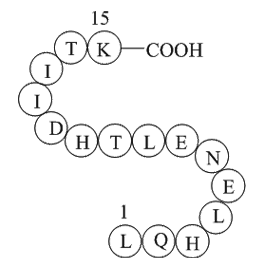
The 12/15-lipoxygenase pathway in diseases of the nervous system Conclusions and future perspectives Arachidonic Z-VEID-FMK sale and other polyunsaturated fatty acids, and their lipid metabolites, play very important roles in human health and disease. This review has outlined the functions of
-
WKY and SHR strains have important differences mainly in
2024-05-13
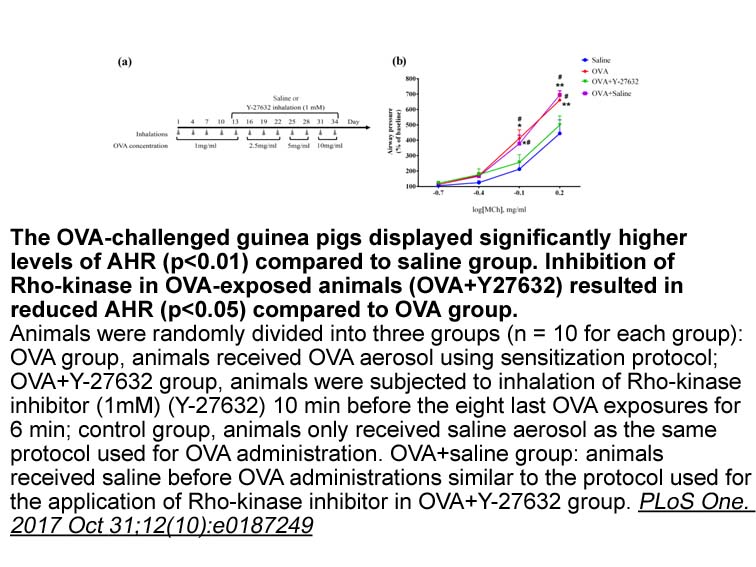
WKY and SHR strains have important differences mainly in their sympathetic status but also in the activity of the RAS. The development of hypertension in SHR is clearly related to an increase in sympathetic activity [51], [11]. In addition, increased renal sympathetic nerve activity led to an increa
-
Sertraline HCl br Serine glycine and one carbon metabolism A
2024-05-13
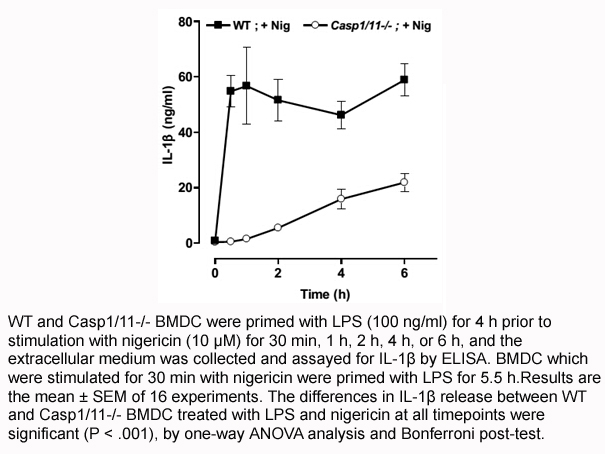
Serine/glycine and one-carbon metabolism Altered serine metabolism in tumors was noted nearly half a century ago, and elevated flux through the de novo serine synthesis pathway (SSP) is a common phenomenon in cancer Sertraline HCl [43]. The SSP branches from glycolysis at the point of 3-phosphog
-
br Discussion The patient presented initially only with pari
2024-05-13
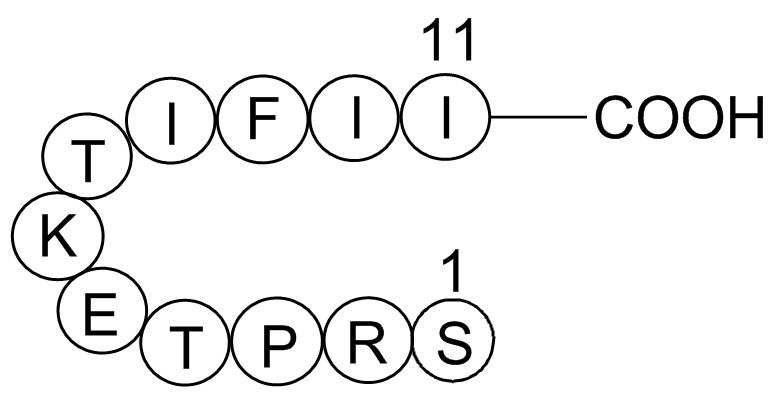
Discussion The patient presented initially only with parietal symptoms in the form of acalculia, visuo-spatial deficits, and visuo-perceptual deficits and dressing apraxia. He also had simultognosia as early symptoms. Later when the disease progressed he had recent memory deficits and language in
-
Pregnane X receptor PXR is a
2024-05-13
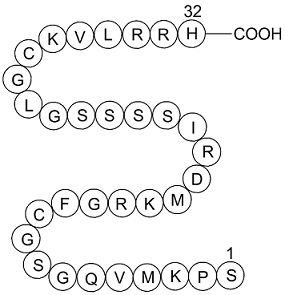
Pregnane X receptor (PXR) is a nuclear receptor that plays an important role in regulation of metabolism and disposition of structurally diverse xenobiotics as well as endogenous steroids and bile acids (Bertilsson et al., 1998, Kliewer et al., 1998, Lehmann et al., 1998). PXR regulates the metaboli
-
br Experimental procedure br Funding The present study
2024-05-13
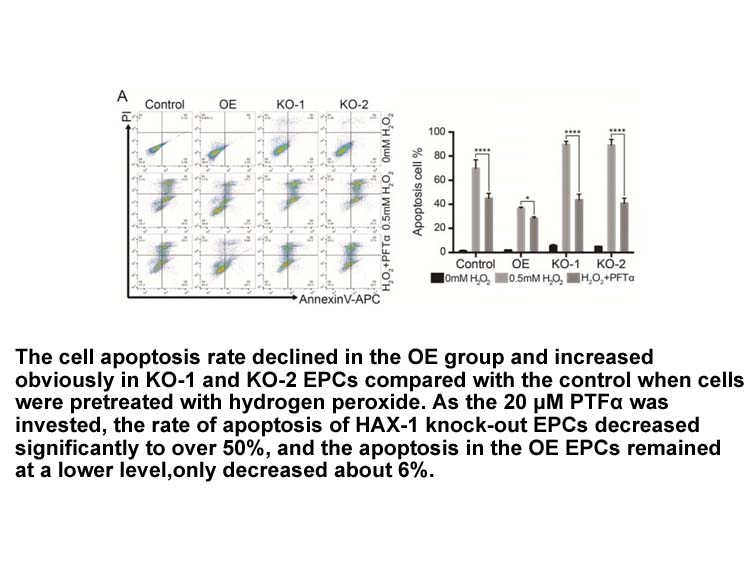
Experimental procedure Funding The present study was supported by the Grant Russian Foundation for basic research (project no. 16-04-01517). Introduction 5-HT, a monoaminergic neurotransmitter, is synthesised from l-tryptophan catalysed by the enzymes tryptophan hydroxylase (Tph) and aroma
-
Introduction Adenosine kinase ADK ATP adenosine phosphotrans
2024-05-13
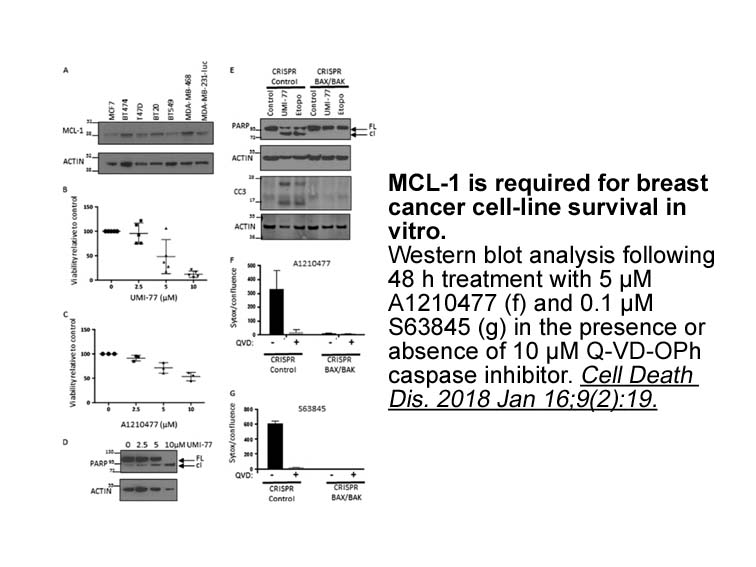
Introduction Adenosine kinase (ADK; ATP: adenosine 5′-phosphotransferase, EC 2.7.1.20), is isolated from yeast cells by Kornberg for the first time in 1951 [1]. ADK belongs to the ribokinase protein family and is one of the most abundant nucleoside kinases in mammalian tissues [2,3]. As the first i
-
Recently biosensors based on enzyme mimicking
2024-05-13
Recently, biosensors based on enzyme-mimicking organic-inorganic hybrid nanomaterials such as protein or DNA-Cu nanoflowers (Batule et al., 2015, Park et al., 2017), Fe-aminoclay (Lee et al., 2013), and MOFs (Ai et al., 2013, Dong et al., 2015, Feng et al., 2012, Liu et al., 2013, Qin et al., 2013,
-
V ATPase is a complex enzyme
2024-05-13
V-ATPase is a complex enzyme that is composed of several subunits, which are assembled into two domains: trans-membrane (V0) and cytosolic (V1) domains [3,5]. Epididymal epithelial flavopiridol of rats has been reported to contain V-ATPase which is distributed at the apical pole of the narrow and c