Archives
- 2018-07
- 2018-10
- 2018-11
- 2019-04
- 2019-05
- 2019-06
- 2019-07
- 2019-08
- 2019-09
- 2019-10
- 2019-11
- 2019-12
- 2020-01
- 2020-02
- 2020-03
- 2020-04
- 2020-05
- 2020-06
- 2020-07
- 2020-08
- 2020-09
- 2020-10
- 2020-11
- 2020-12
- 2021-01
- 2021-02
- 2021-03
- 2021-04
- 2021-05
- 2021-06
- 2021-07
- 2021-08
- 2021-09
- 2021-10
- 2021-11
- 2021-12
- 2022-01
- 2022-02
- 2022-03
- 2022-04
- 2022-05
- 2022-06
- 2022-07
- 2022-08
- 2022-09
- 2022-10
- 2022-11
- 2022-12
- 2023-01
- 2023-02
- 2023-03
- 2023-04
- 2023-05
- 2023-06
- 2023-08
- 2023-09
- 2023-10
- 2023-11
- 2023-12
- 2024-01
- 2024-02
- 2024-03
- 2024-04
- 2024-05
-
AdK as an important upstream regulator
2024-05-17
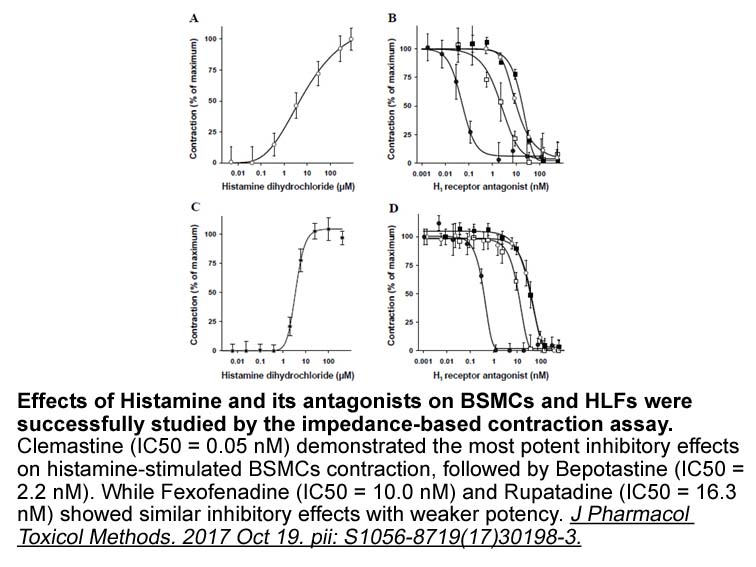
AdK as an important upstream regulator of adenosine-based homeostasis represents a promising drug target since it leads to an increase in adenosine concentrations. Taking into account that the adenosine formation is only increased in affected tissues under stress with high adenosine levels, AdK inhi
-
Tension within the network could be explained
2024-05-17
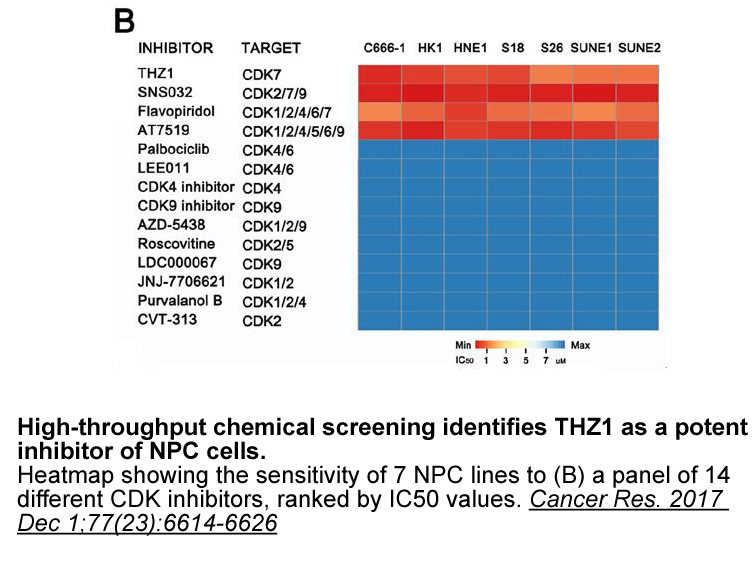
Tension within the network could be explained by two potential mechanisms: the more classical contractility that is dependent on motor proteins that are pulling K-252c filaments towards each other [10]; or contractility that is caused by disassembly of a crosslinked network of actin filaments [2]. T
-
br Discussion Myopathic EMG changes are frequently detected
2024-05-17
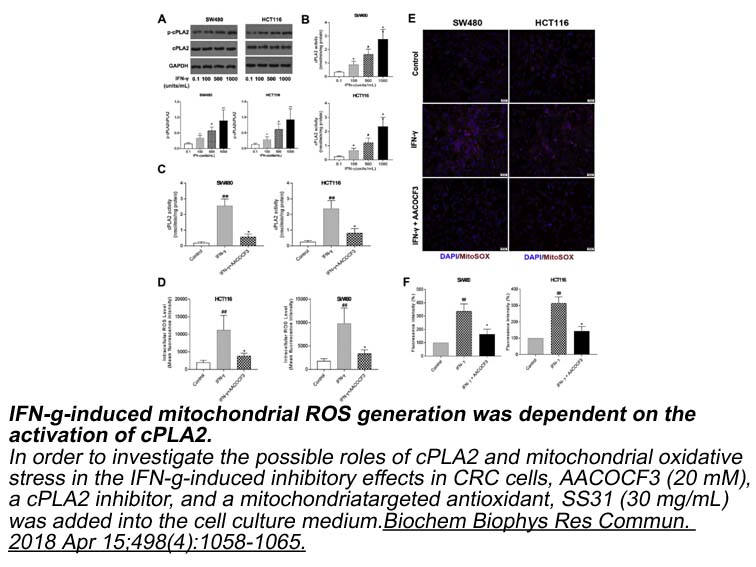
Discussion Myopathic EMG changes are frequently detected in patients with MuSK MG, unlike in AChR MG patients [10]. However, these EMG changes are not always accompanied by myopathic histopathological findings. It has been shown that mitochondrial abnormalities seem to be more prominent in MuSK M
-
The purpose of this study
2024-05-17
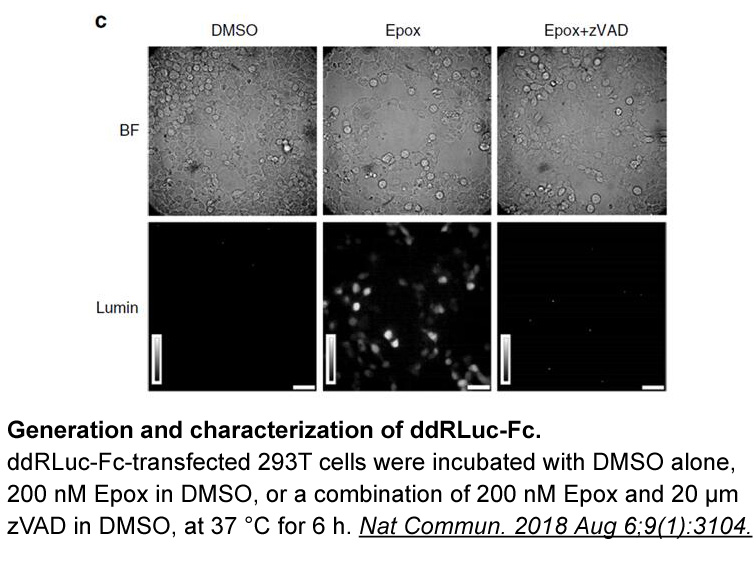
The purpose of this Octreotide acetate receptor study is to examine the relationship between ACEs and engagement in treatment among a sample of youth in residential treatment centers (RTCs). It is hypothesized that youth with higher ACE scores will have lower levels of engagement in treatment. In o
-
During myeloid cell maturation expression of LO mRNA and
2024-05-17
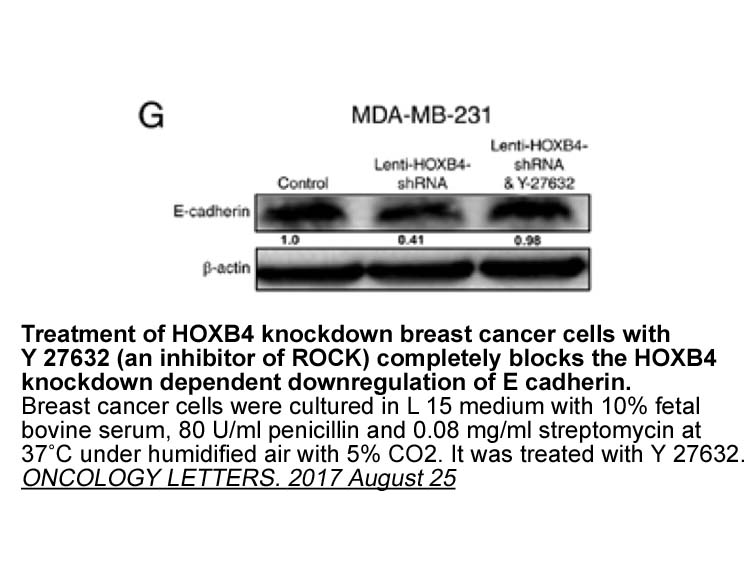
During myeloid cell maturation, expression of 5-LO mRNA and protein is strongly induced (60–130-fold) by calcitriol (1,25(OH)2D3) and transforming growth factor-β (TGFβ) [6,7]. The upregulation of 5-LO mRNA transcription is mainly due to transcript elongation and mRNA maturation [8,9]. Interestingly
-
Regarding brain tumors AXL has been implicated in gliomagene
2024-05-17
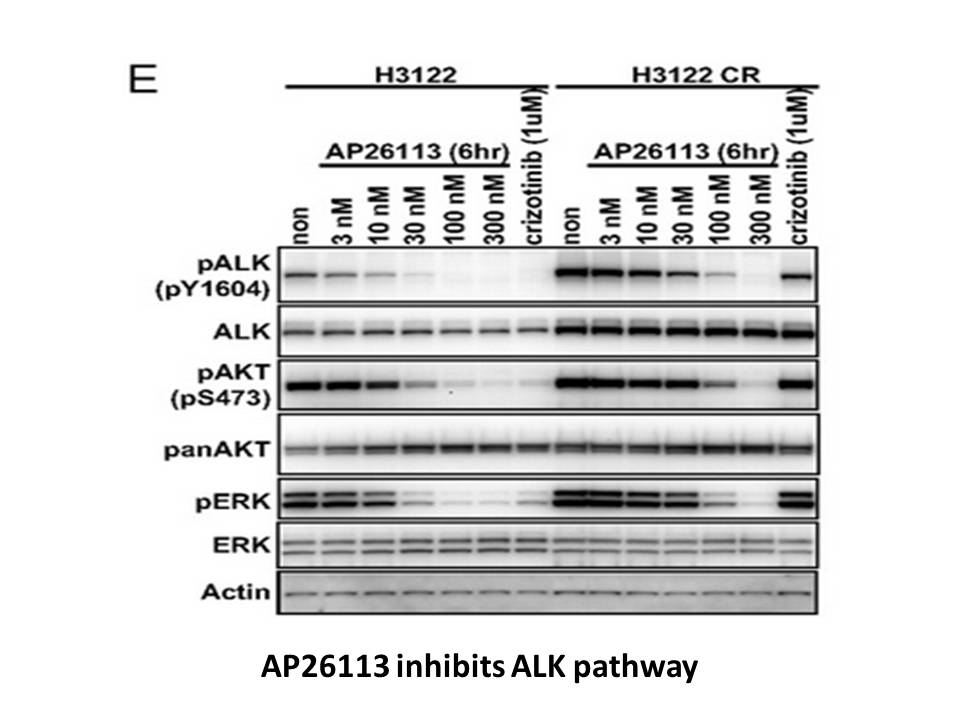
Regarding Oxaprozin tumors, AXL has been implicated in gliomagenesis and chemoresistance [39]. Previous investigations found that AXL is constitutively phosphorylated in many glioma cell lines, murine xenograft tumors and primary patient tumor samples [40]. Immunohistochemical analysis of AXL and G
-
br Results br Discussion AP
2024-05-16
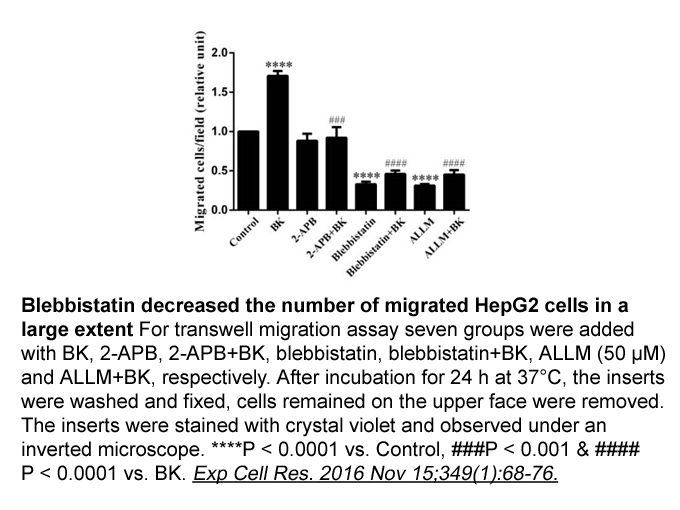
Results Discussion AP-1, a heterodimeric transcription factor comprising various combinations of FOS, JUN, MAF, ATF, and CREB family proteins, has been known to play a pivotal role in leukocyte development for decades (Liebermann et al., 1998; Valledor et al., 1998). However, its participation
-
Furthermore different s http www apexbt com media diy
2024-05-16
Furthermore, different studies have described the APP as useful biomarkers in monitoring the post-ovariohysterectomy period in bitches with pyometra [12,14,52,53], similar to what was observed in queens in the present study. In our study, significant decreases in concentrations of a major (SAA) and
-
The findings from our previous
2024-05-16

The findings from our previous study indicate that mitochondrial biogenesis of astrocytes is increased under experimental septic condition [25]. Recent studies have shown that IL-6 can activate AMPK by increasing the concentration of AMP [26], while AMPK regulates mitochondrial biogenesis and autoph
-
Similar to Cys Met can undergo ROS
2024-05-16

Similar to Cys, Met can undergo ROS-mediated oxidation to Met sulfoxide, which can result in changes in protein conformation and activity [43]. In our results, the Met content in wild ginseng is higher compared to cultivated ginseng (1.3 times, Table 1). Met is a substrate for the synthesis of vario
-
br Understanding AD through Transcriptome Analysis
2024-05-16
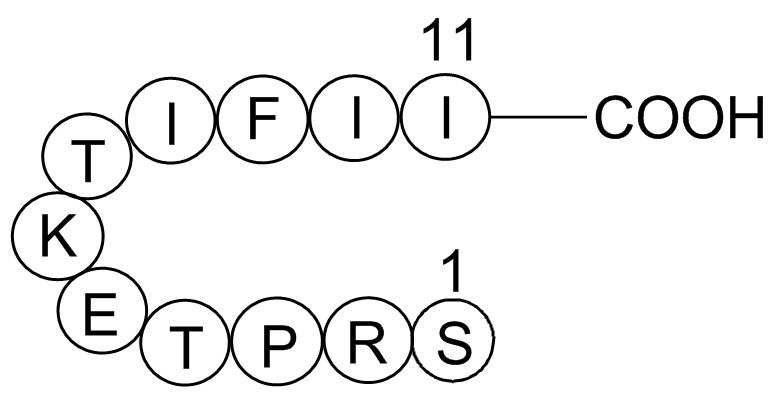
Understanding AD through Transcriptome Analysis Both classical gene discovery and pathway-based analysis of AD GWAS shed light on the range of biological processes that contribute to AD in addition to amyloid pathology. The straightforward interpretation and functional investigation of the associ
-
br Current therapies for metabolic
2024-05-16

Current therapies for metabolic diseases Inborn errors of metabolism caused by deficiency of particular enzymes due to loss of function mutations or deletions have been treated by decreasing the intake of the enzymatic substrate, supplementation with an essential cofactor or vitamin, increasing m
-
amprolium br Discussion AhR is a receptor that binds
2024-05-16
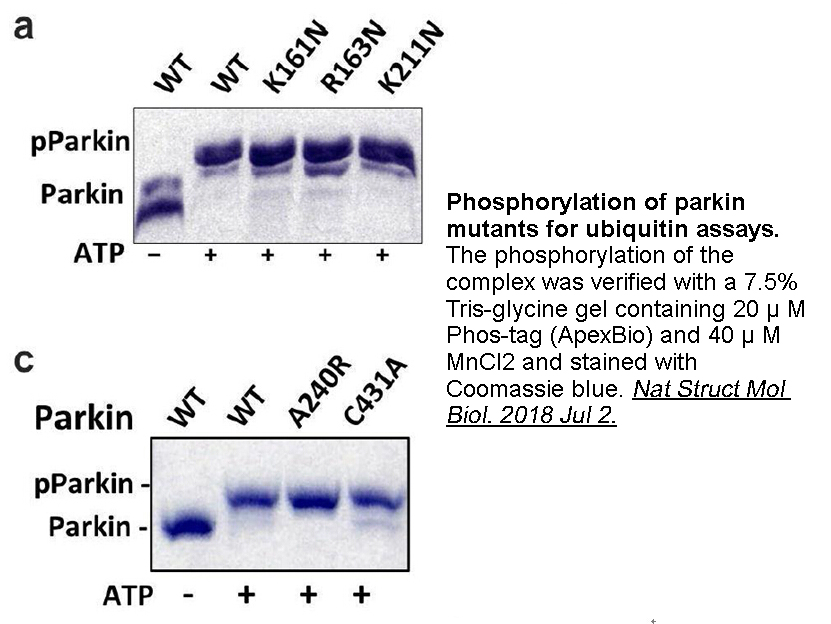
Discussion AhR is a receptor that binds to a great variety of lipophilic compounds, in particular those containing at least one aromatic ring (Abel and Haarmann-Stemmann, 2010, Guyot et al., 2013, Hahn, 2002). The main known function of this receptor is to induce the metabolism of these compounds
-
The potential use of derivatives belonging to this series as
2024-05-16
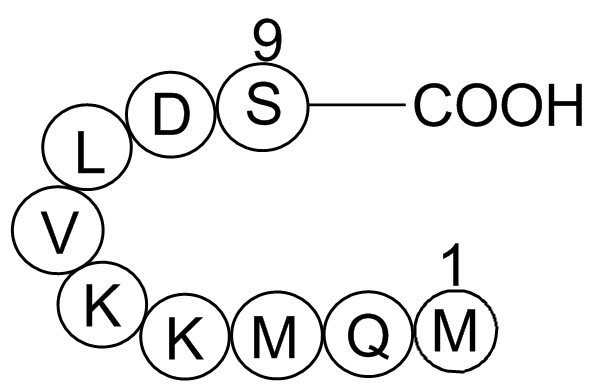
The potential use of derivatives belonging to this series as therapeutic agents mostly depends on their pharmacokinetics and pharmacodynamics. The pharmacokinetic phase includes absorption, distribution, metabolism and excretion (ADME) of the studied compounds. Therefore, preliminary data for theore
-
Finally one can ask whether these results throw any light
2024-05-15
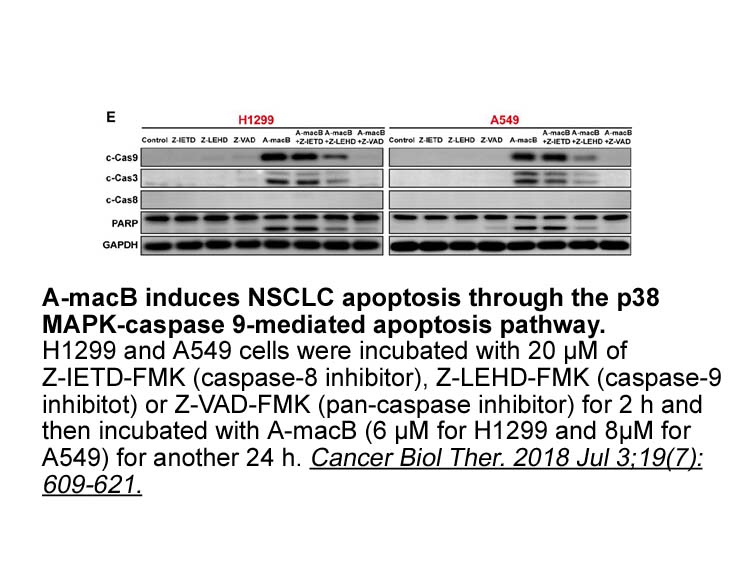
Finally, one can ask whether these results throw any light on the nature of the target in SNMG patients. Interestingly, the results of the in vitro incubations suggested that SNMG sera might increase AChR expression to a small extent, raising the possibility that SNMG patients, who have thymic chang