Archives
- 2018-07
- 2018-10
- 2018-11
- 2019-04
- 2019-05
- 2019-06
- 2019-07
- 2019-08
- 2019-09
- 2019-10
- 2019-11
- 2019-12
- 2020-01
- 2020-02
- 2020-03
- 2020-04
- 2020-05
- 2020-06
- 2020-07
- 2020-08
- 2020-09
- 2020-10
- 2020-11
- 2020-12
- 2021-01
- 2021-02
- 2021-03
- 2021-04
- 2021-05
- 2021-06
- 2021-07
- 2021-08
- 2021-09
- 2021-10
- 2021-11
- 2021-12
- 2022-01
- 2022-02
- 2022-03
- 2022-04
- 2022-05
- 2022-06
- 2022-07
- 2022-08
- 2022-09
- 2022-10
- 2022-11
- 2022-12
- 2023-01
- 2023-02
- 2023-03
- 2023-04
- 2023-05
- 2023-06
- 2023-08
- 2023-09
- 2023-10
- 2023-11
- 2023-12
- 2024-01
- 2024-02
- 2024-03
- 2024-04
- 2024-05
-
br Results We set out to identify in
2024-05-15
Results We set out to identify in an unbiased manner a set of candidate “scaling factors” that might participate in transcription-dependent synaptic scaling up. The ex vivo slice and profiling studies were conducted on HsCt5 mice (described later) at postnatal day (P) 14 to P15, an age at which s
-
br Conclusion These studies broadly demonstrate that dopamin
2024-05-15
Conclusion These studies broadly demonstrate that dopamine and endocannabinoid signaling in the NAc can have diverse effects on AMPAR-mediated synaptic function depending on previous psychostimulant experience. Here, we examined mechanisms underlying the depotentiation of AMPAR-mediated synaptic
-
N terminally extended antigenic peptide precursors that surv
2024-05-15
N-terminally extended antigenic peptide precursors that survive cytosolic degradation and enter the ER, need to be further processed by ERAP1 and/or ERAP2, in order to acquire the right length required for MHCI binding. ERAP1 (ERAAP in mouse) is an IFN-γ-inducible, metalloaminopeptidase that trims N
-
br Conflict of interest statement br
2024-05-14
Conflict of interest statement Introduction Currently, adenocarcinoma is the most common histological subtype of lung cancer. Activating mutations and translocations with a potential for targeted therapy are reported predominantly in non-smokers. ALK rearrangement is found in less than 5% of u
-
mavacamten receptor br Materials and methods br Results br
2024-05-14
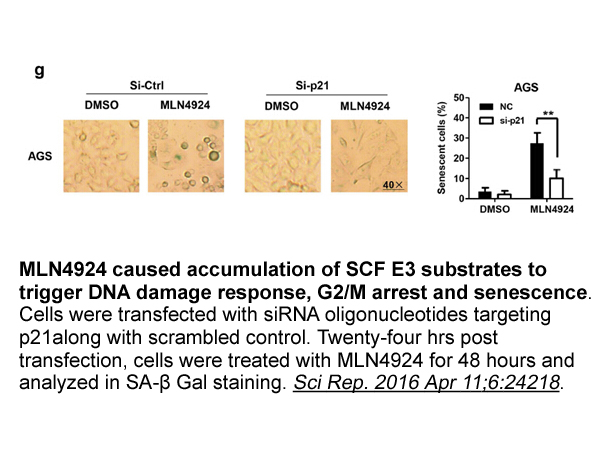
Materials and methods Results Discussion Competing financial interests Acknowledgements The work was partially supported by grants from the National Natural Science Foundation of China (Grant no. 31530053 and 31401424) and National Science and Technology Support Plan (Grant no. 2013BA
-
Ac-IETD-AFC synthesis In conclusion we show that HBP is phos
2024-05-14
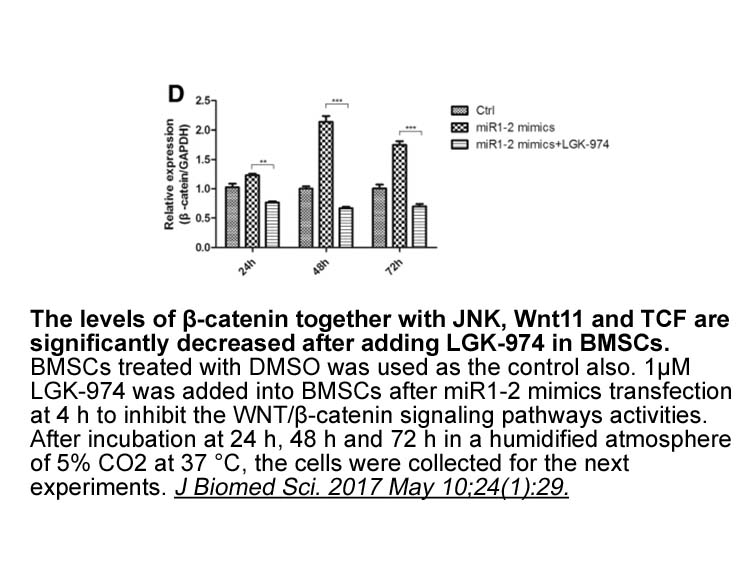
In conclusion, we show that HBP1 is phosphorylated on three sites, which control HBP1 transcriptional activity and glioblastoma cell proliferation. This phosphorylation largely depends on AKT, although other kinases may also be involved. In a previous study, we had shown that the PI3K-AKT pathway re
-
In contrast to the beneficial treatment of skin inflammation
2024-05-14
In contrast to the beneficial treatment of skin-inflammation with PAH containing coal tar, epidemiology showed that environmental pollution, containing AHR-activating PAH, lead to more eczema [80]. Of note, other epidemiological data suggested that Th17 cell polarization may be enhanced air pollutio
-
Active SI behavior was dose dependently
2024-05-14

Active SI behavior was dose-dependently affected by PACAP treatment (F3,25 = 14.42, p Erismodegib receptor 1 week later (F3,20 = 8.93, p hypothesis that PACAP causes disruptions in posterror adjustments that are similar to disruptions seen in humans with depression.
-
br Experimental section br Conflicts
2024-05-14
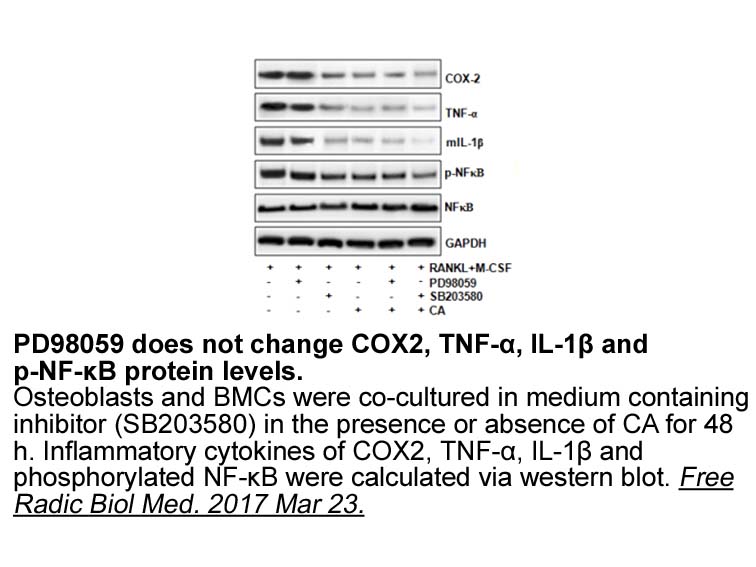
Experimental section Conflicts of interest Acknowledgments This work was partly supported by INSA-Rouen, Rouen University, CNRS, Labex SynOrg (ANR-11-LABX-0029), Région Haute-Normandie. Introduction A key component of the integrated management of key pests such as codling moth (Cydia po
-
In conclusion we have produced some highly potent
2024-05-14
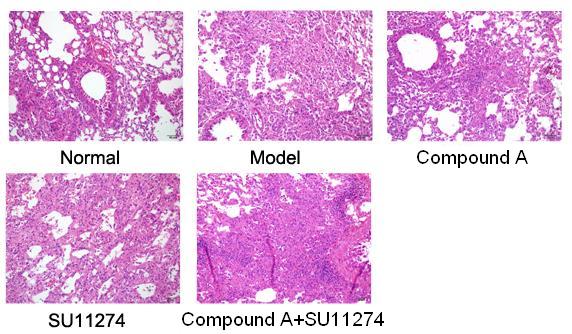
In conclusion, we have produced some highly potent inhibitors of P450 in comparison to the standard fdps KTZ. Also, due to the limited specificity of these compounds against lyase in comparison to the 17α-OHase component, these compounds would be expected to have a major impact on corticosteroid bi
-
Another significant group of reductase inhibitors is
2024-05-14

Another significant group of 5α-reductase inhibitors is the steroidal 3-carboxylic valdecoxib derivatives (relevant examples in Fig. 5), which were designed to mimic the putative enzyme-bound enolate intermediate. This was achieved by introducing sp2-hybridized centers at C3 and C4 and an anionic c
-
4sc mg Matrix metalloprotease inhibitors are increasingly av
2024-05-14
Matrix metalloprotease inhibitors are increasingly available and tested for other indications in clinical trials. The present study suggests that either ADAM10 or TACE inhibition alone will not maximally restore leukocyte Axl function. We found that lower doses of ADAM10/TACE inhibitors exhibit sim
-
br Materials and methods br Results br Discussion Recent
2024-05-14
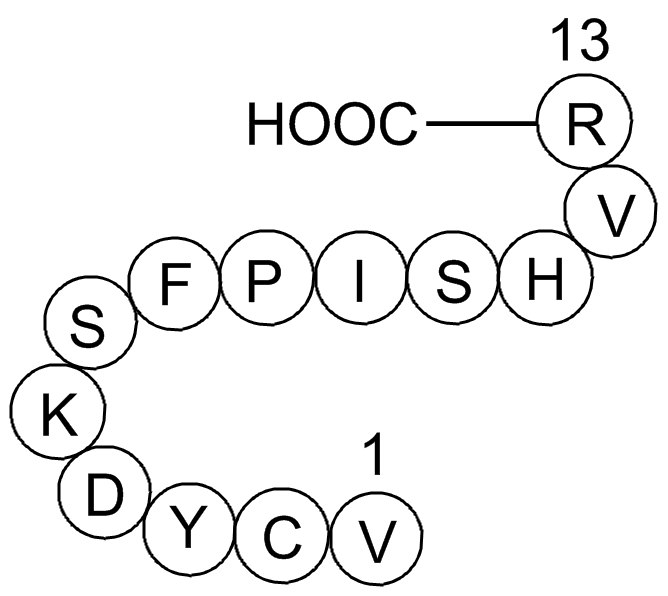
Materials and methods Results Discussion Recent studies have highlighted Epiandrosterone and autophagy as novel targets for the treatment of liver fibrosis [7,14]. In this study, we demonstrated that catalpol protected the rat liver from CCl4-caused injury and fibrogenesis in vivo and in vi
-
br Acknowledgments This work was supported by the Swiss
2024-05-14
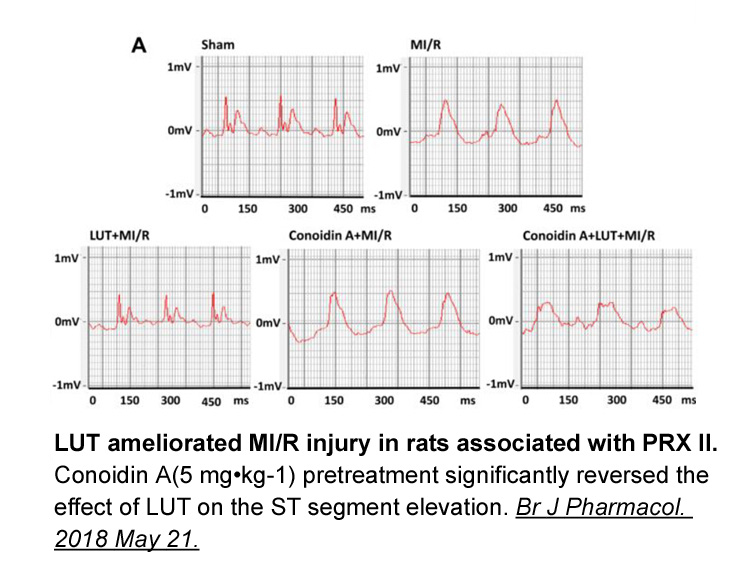
Acknowledgments This work was supported by the Swiss National Science Foundation. 15-Lipoxygenase 1 (15-LOX-1) is a nonheme, iron-containing enzyme predominantly expressed in reticulocytes, eosinophils, macrophages, mast cells, and bronchial epithelial cells . 15-LOX-1 is a key enzyme involved
-
br Conclusions and future direction ER PgR breast cancers ha
2024-05-14

Conclusions and future direction ER(−)/PgR(+) breast cancers have a distinct clinical course, response to treatment, and molecular features when compared to other breast cancer types, however some of them are actually technical artifacts or consequences of too high definitions of positivity. Acco