Archives
- 2018-07
- 2018-10
- 2018-11
- 2019-04
- 2019-05
- 2019-06
- 2019-07
- 2019-08
- 2019-09
- 2019-10
- 2019-11
- 2019-12
- 2020-01
- 2020-02
- 2020-03
- 2020-04
- 2020-05
- 2020-06
- 2020-07
- 2020-08
- 2020-09
- 2020-10
- 2020-11
- 2020-12
- 2021-01
- 2021-02
- 2021-03
- 2021-04
- 2021-05
- 2021-06
- 2021-07
- 2021-08
- 2021-09
- 2021-10
- 2021-11
- 2021-12
- 2022-01
- 2022-02
- 2022-03
- 2022-04
- 2022-05
- 2022-06
- 2022-07
- 2022-08
- 2022-09
- 2022-10
- 2022-11
- 2022-12
- 2023-01
- 2023-02
- 2023-03
- 2023-04
- 2023-05
- 2023-06
- 2023-08
- 2023-09
- 2023-10
- 2023-11
- 2023-12
- 2024-01
- 2024-02
- 2024-03
- 2024-04
- 2024-05
-
amprolium br Discussion AhR is a receptor that binds
2024-05-16
Discussion AhR is a receptor that binds to a great variety of lipophilic compounds, in particular those containing at least one aromatic ring (Abel and Haarmann-Stemmann, 2010, Guyot et al., 2013, Hahn, 2002). The main known function of this receptor is to induce the metabolism of these compounds
-
The potential use of derivatives belonging to this series as
2024-05-16
The potential use of derivatives belonging to this series as therapeutic agents mostly depends on their pharmacokinetics and pharmacodynamics. The pharmacokinetic phase includes absorption, distribution, metabolism and excretion (ADME) of the studied compounds. Therefore, preliminary data for theore
-
Finally one can ask whether these results throw any light
2024-05-15
Finally, one can ask whether these results throw any light on the nature of the target in SNMG patients. Interestingly, the results of the in vitro incubations suggested that SNMG sera might increase AChR expression to a small extent, raising the possibility that SNMG patients, who have thymic chang
-
Osteocytes the most abundant cells in an adult
2024-05-15
Osteocytes, the most abundant cells in an adult skeleton, are essentially mature osteoblasts that are surrounded by the products they secreted (Noble and Reeve, 2000). Osteocytes serve as mechanosensors that direct bone remodeling and that regulate the activities of osteoblasts and osteoclasts (Bone
-
Until now five muscarinic receptor M genes have been cloned
2024-05-15
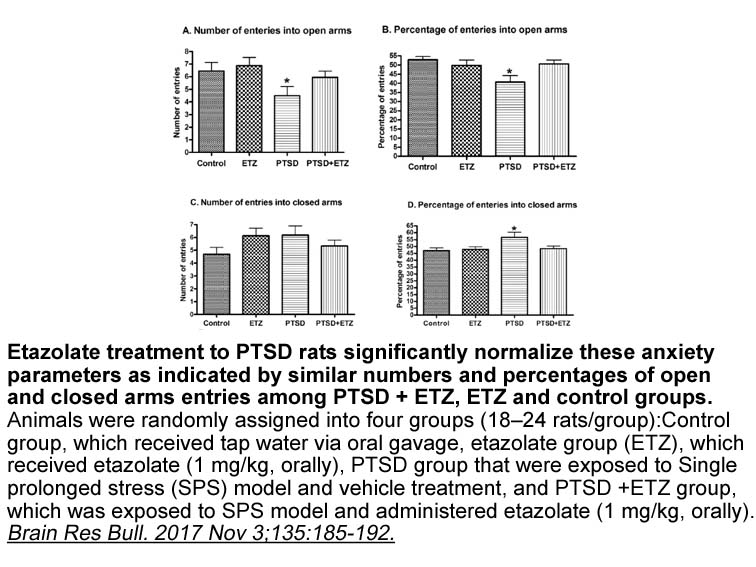
Until now, five muscarinic receptor (M1-5) genes have been cloned, but, M1-3 receptors are functionally recognized in the lungs. Smooth muscle contraction is mainly mediated by M3. M2 may also participate in the contraction via Gi protein which leads to a decrease in cAMP. On the other hand, M2 is l
-
br Results br Discussion Dopamine regulates behavioral
2024-05-15
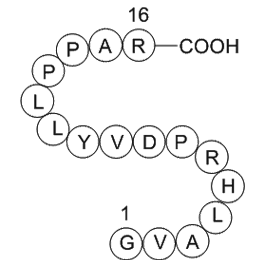
Results Discussion Dopamine regulates behavioral responses to nicotine in Drosophila (Bainton et al., 2000), but neurochemical measurements of dopamine after nicotine stimulation had not been made. Here, we demonstrate for the first time that the stimulation of nAChRs causes dopamine release i
-
Nowadays more than kinases have
2024-05-15
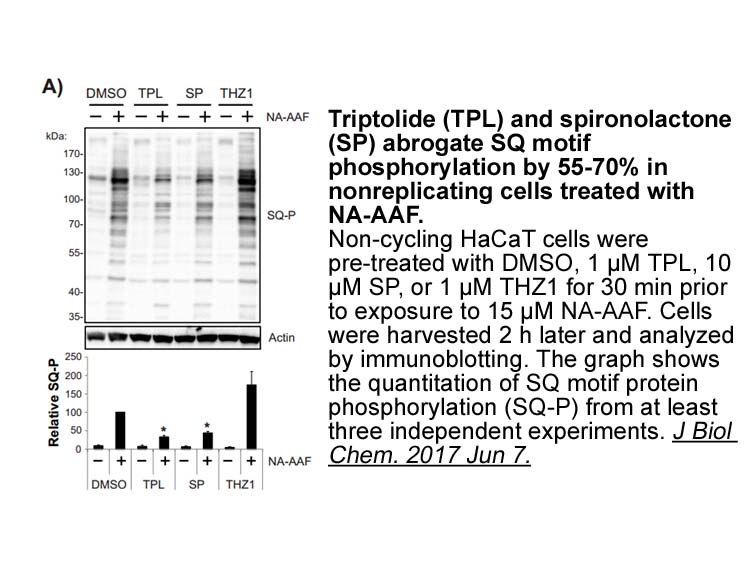
Nowadays, more than 500 kinases have been identified of human genome [2]. Imatinib (Gleevec) was the first tyrosine kinase inhibitor approved by the US Food and Drug Administration (FDA) for the treatment of chronic myeloid leukemia [3], and kinases have become an attractive target for the developme
-
Several genes related to metabolism
2024-05-15
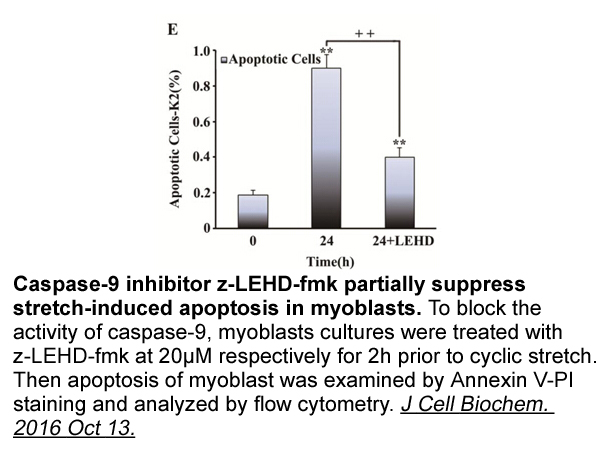
Several genes related to metabolism, post-transcriptional regulation, chromatin structure, and signaling pathways are required for the sexual development and virulence of G. zeae (Baldwin et al., 2010, Bluhm et al., 2007, Ding et al., 2009, Han et al., 2007, Hou et al., 2002, Jenczmionka et al., 200
-
In the nineties we knew that
2024-05-15

In the nineties we knew that (-)baclofen was the stereo-selective ligand for the GABAB receptor which had been recognised by Norman Bowery as a receptor for GABA, which was different from the GABAA receptor (Hill and Bowery, 1981). GABAB receptor antagonists were also synthesised and made available
-
Similar to the importance of MeJA in postharvest A
2024-05-15

Similar to the importance of MeJA in postharvest A. bisporus quality maintenance at 10°C storage (Meng et al., 2012a), MeJA was also observed to play a pivotal role in this event at 4°C storage. Cap opening is an important mushroom quality indicator (Braaksma et al., 1999). During postharvest storag
-
calpain inhibitor 1 Arginase deficiency is a rare
2024-05-15
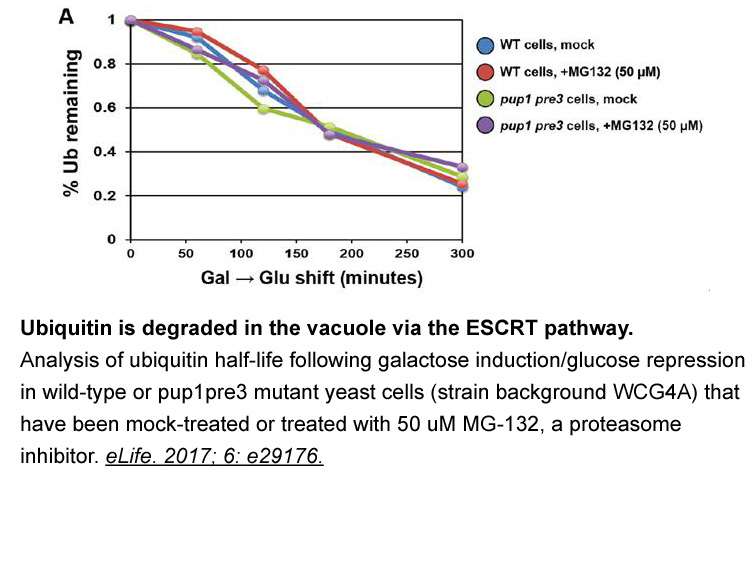
Arginase deficiency is a rare urea cycle disorder with hyperargininemia and profound neurological impairment as hallmark features. Arginase-1-deficient mouse models have been created, and they exhibit a profound lethal phenotype approximately 2 weeks after birth in the global knockout (KO) mice or a
-
To elucidate whether membrane fluidity changes could impact
2024-05-15

To elucidate whether membrane fluidity changes could impact on signaling pathways, we examined the effects of Rh2 on the activation of Akt, a lipid raft-associated protein kinase, which promotes cell survival and blocks the apoptotic pathways. Upon pretreatment with 5 mM MβCD and in the absence of R
-
In the early s in addition to above
2024-05-15
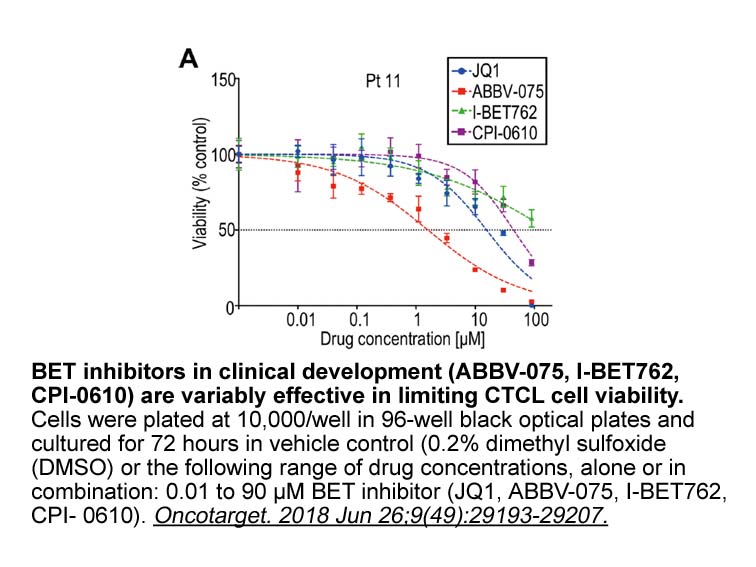
In the early 2000s, in addition to above-mentioned plant derived compounds, several peptide fragments from protein sources (e.g. gelatin, egg yolk, meat, fish, chicken, legumes) have been also confirmed as potential natural antioxidants and extensive studies about bioactive peptides have been conduc
-
Thiazole heterocycles constitute an interesting class of mol
2024-05-15
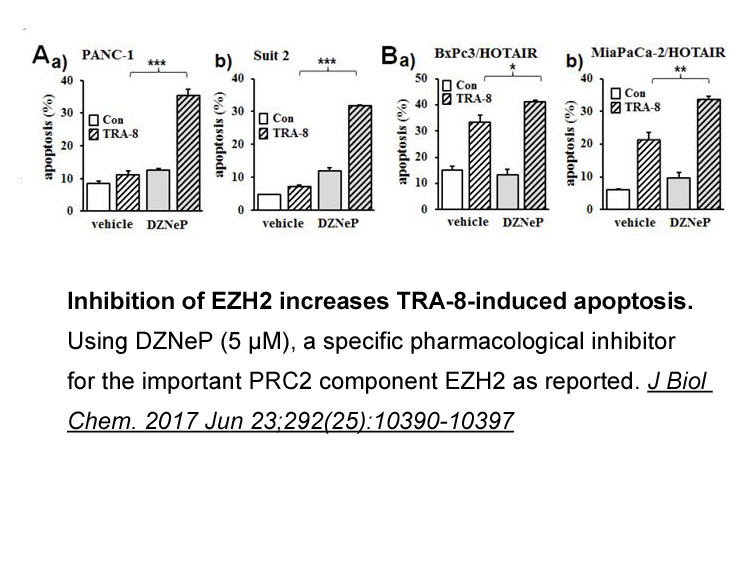
Thiazole heterocycles constitute an interesting class of molecules, which exhibit a broad spectrum of biological activity, including antifungal properties [[16], [17], [18], [19]]. Encouraged by our previous study that describes the activity of hydrazine-thiazole derivatives against C. gattii and C.
-
However from our meta analysis emerge some strategic conside
2024-05-15
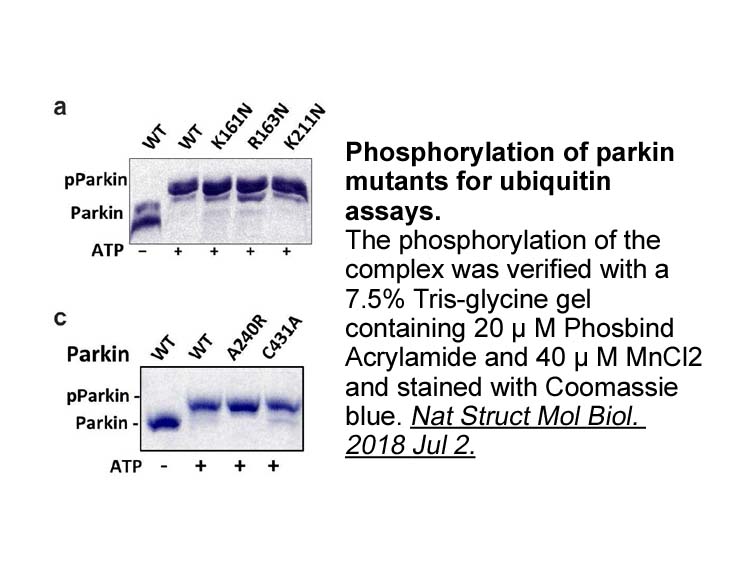
However, from our meta-analysis emerge some strategic considerations for the continued use of antiangiogenic drugs for glioblastoma patients: Conflict of interest Funding Introduction Angiogenesis is a physiological process involving the formation of new blood vessels from pre-existing blo