Archives
- 2026-07
- 2026-06
- 2026-05
- 2026-04
- 2026-03
- 2026-02
- 2026-01
- 2025-12
- 2025-11
- 2025-10
- 2025-09
- 2025-03
- 2025-02
- 2025-01
- 2024-12
- 2024-11
- 2024-10
- 2024-09
- 2024-08
- 2024-07
- 2024-06
- 2024-05
- 2024-04
- 2024-03
- 2024-02
- 2024-01
- 2023-12
- 2023-11
- 2023-10
- 2023-09
- 2023-08
- 2023-06
- 2023-05
- 2023-04
- 2023-03
- 2023-02
- 2023-01
- 2022-12
- 2022-11
- 2022-10
- 2022-09
- 2022-08
- 2022-07
- 2022-06
- 2022-05
- 2022-04
- 2022-03
- 2022-02
- 2022-01
- 2021-12
- 2021-11
- 2021-10
- 2021-09
- 2021-08
- 2021-07
- 2021-06
- 2021-05
- 2021-04
- 2021-03
- 2021-02
- 2021-01
- 2020-12
- 2020-11
- 2020-10
- 2020-09
- 2020-08
- 2020-07
- 2020-06
- 2020-05
- 2020-04
- 2020-03
- 2020-02
- 2020-01
- 2019-12
- 2019-11
- 2019-10
- 2019-09
- 2019-08
- 2019-07
- 2019-06
- 2019-05
- 2019-04
- 2018-11
- 2018-10
- 2018-07
-
Apelin is a peptide hormone and an endogenous ligand for
2024-10-14

Apelin is a peptide hormone and an endogenous ligand for a G protein-coupled receptor named APJ [7], [8], and apelin and APJ are widely expressed in human organs including hypothalamus, heart, lungs, kidneys, adipose tissue, muscles, and others [9]. Apelin is initially synthesized as a 77-amino-acid
-
br Introduction Active oxygen radicals in the
2024-10-14
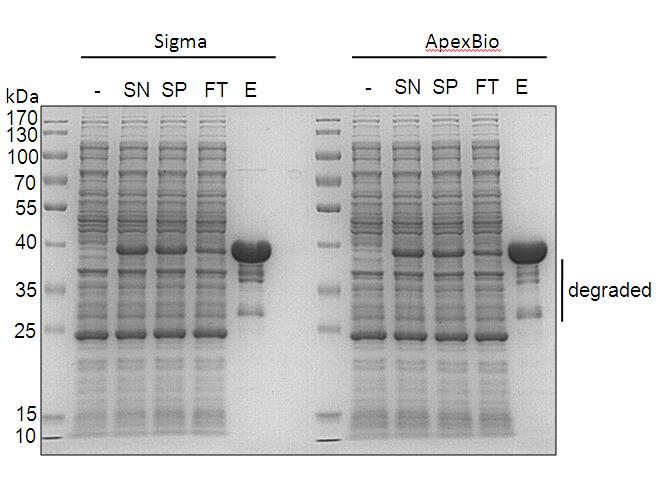
Introduction Active oxygen radicals in the human body have a strong effect of inducing lipid peroxidation, which in turn induces oxidative imbalance and causes various diseases. Natural polysaccharides are substances with certain antioxidant activity. They are used as antioxidants and have advant
-
br Conflict of interest br
2024-10-14
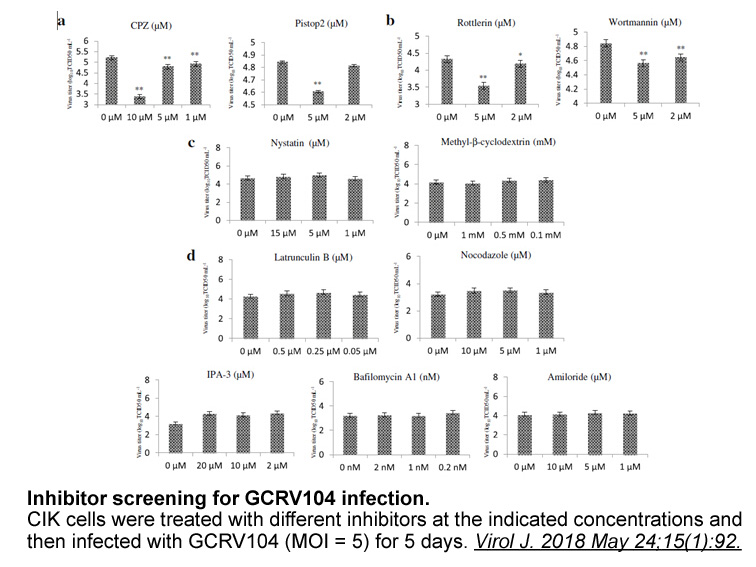
Conflict of interest Acknowledgement We wish to thank the Program of National Key R&D Program of China (2017YFD0200500) and the Fundamental Research Funds for the Central Universities (KYTZ201604) for partially funding this work. Introduction Chitosan ((1→4)-2-amino-2-deoxy-β-d-glucose) is
-
br Acknowledgments and Disclosures br Alzheimer s disease as
2024-10-14
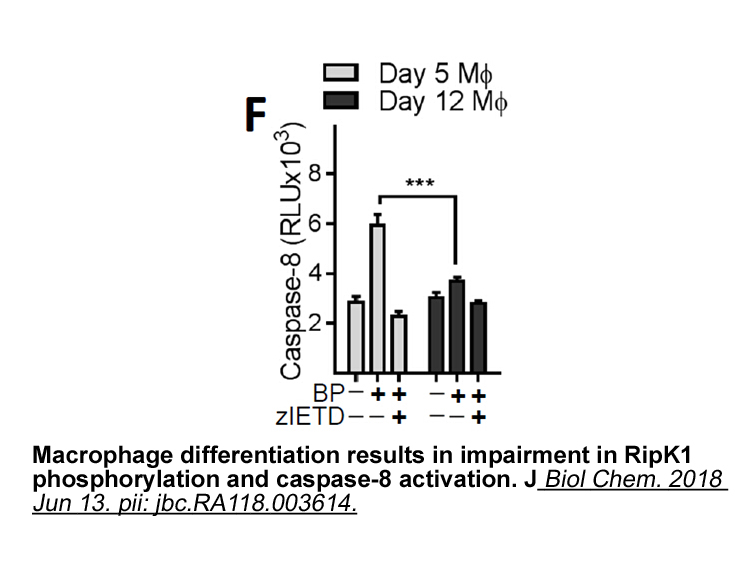
Acknowledgments and Disclosures Alzheimer's disease as a synaptic pathology Alzheimer's disease (AD) is a chronic neurodegenerative risedronic acid sale disorder and the most common cause of dementia in the elderly. Progressive depositions of amyloid plaques and neurofibrillary tangles togethe
-
TC-I 15 Inflammatory factors released by activated cells
2024-10-14
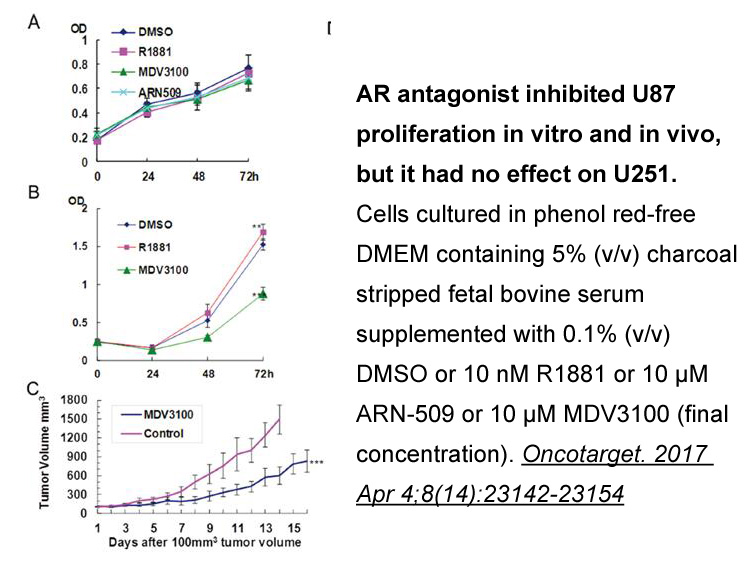
Inflammatory factors released by activated cells during AD are very important for the disease progression. Not only several inflammatory cytokines, such as IL-1β, IL-18, and IL-33, but also anti-inflammatory ones, as IL-10 and IL-13, are upregulated in the brain of AD patients (Morimoto et al., 2011
-
The present study determined the effect of DCA on VSMC
2024-10-14
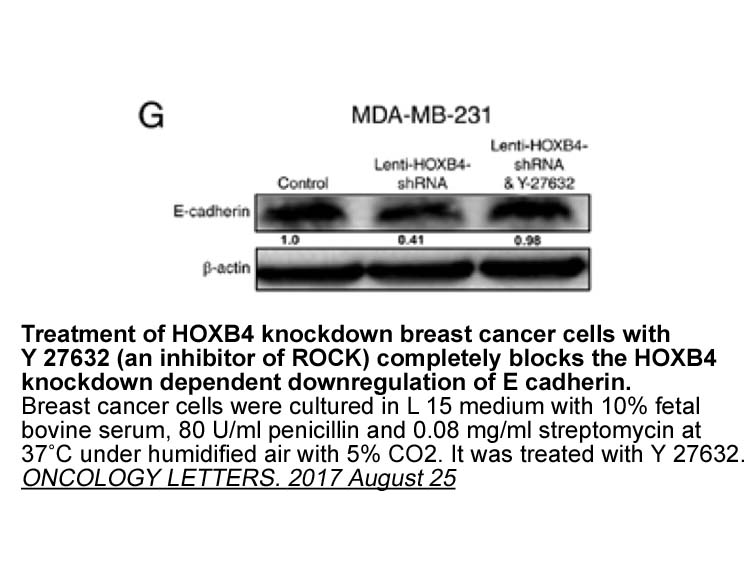
The present study determined the effect of DCA on VSMC calcification in vitro and in atherosclerotic ApoE-/- mice in vivo. We found that Benzamil non-toxic concentrations of DCA, did not affect VSMC viability, induced calcification of VSMC in culture and increased atherosclerotic vascular calcifica
-
Pregnane X receptor PXR is a nuclear receptor that plays
2024-10-14
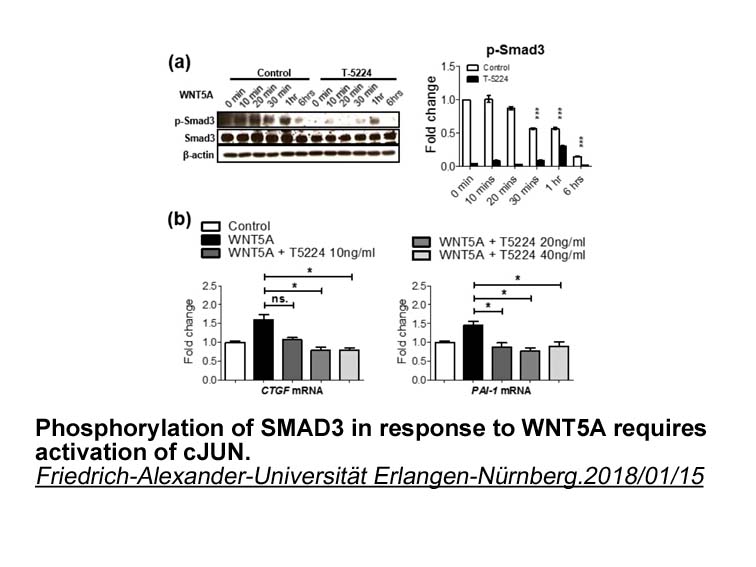
Pregnane X receptor (PXR) is a nuclear receptor that plays an important role in regulation of metabolism and disposition of structurally diverse xenobiotics as well as endogenous steroids and bile acids (Bertilsson et al., 1998, Kliewer et al., 1998, Lehmann et al., 1998). PXR regulates the metaboli
-
All consecutive patients who were confirmatively diagnosed
2024-10-12
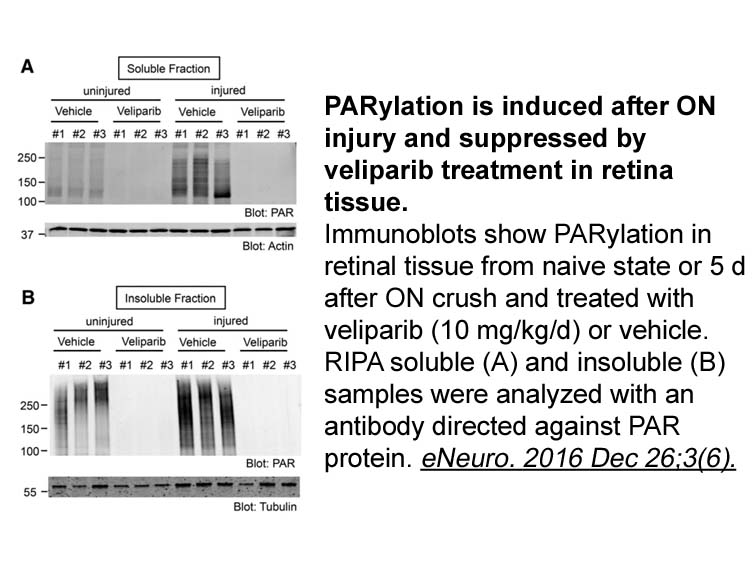
All consecutive patients who were confirmatively diagnosed with MP-PPE and TPE, respectively, between January 2008 and December 2016 at Kyungpook National University Hospital, a tertiary referral hospital in South Korea, an area with an intermediate prevalence of active tuberculosis, were enrolled.
-
The pathogenesis of d penicillamine induced MG is not
2024-10-12
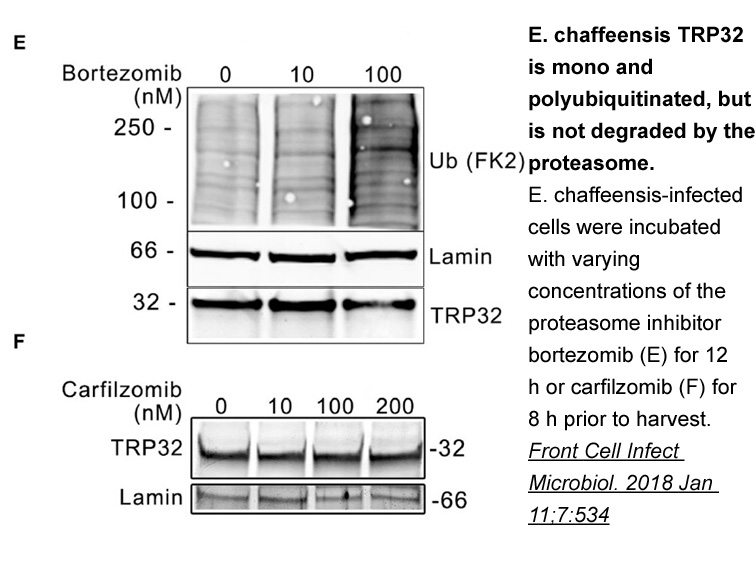
The pathogenesis of d-penicillamine-induced MG is not clear. The repertoire of anti-AChR ST 2825 in d-penicillamine-induced MG has been shown to be similar to that in idiopathic MG in terms of AChR antigenic regions, suggesting a common immune mechanism (Tzartos et al., 1988). About 20% of d-penic
-
The lanthanide series of chemical elements
2024-10-12
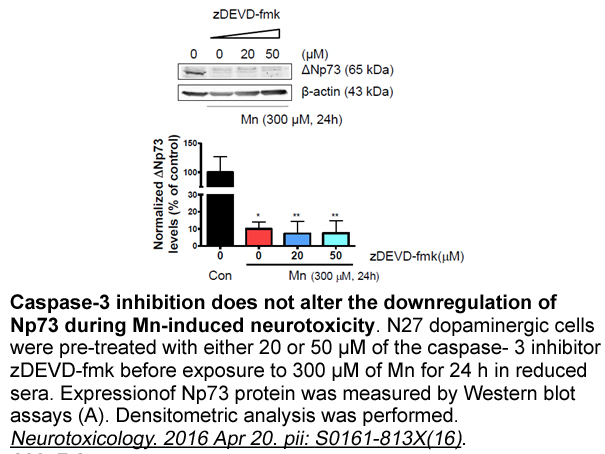
The lanthanide series of chemical elements comprises the fifteen metallic chemical elements with atomic numbers 57 through 71, from lanthanum to lutetium. Though originally described as ‘‘rare earths’’ because of their natural occurrence as metal oxides, they are not particularly rare. The lanthanid
-
The srd a isoforms showed unique expression profiles
2024-10-12
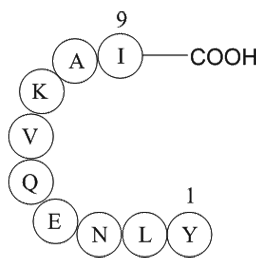
The srd5a isoforms showed unique expression profiles in early FHM development (Fig. 2). Similar to amphibian embryos, there was a high abundance of both srd5a1 and srd5a3 at 1dpf in FHMs, suggesting that mRNA for these enzymes may be maternally deposited and that these enzymes may play a key role in
-
The authors thank Dr J Aoki
2024-10-12
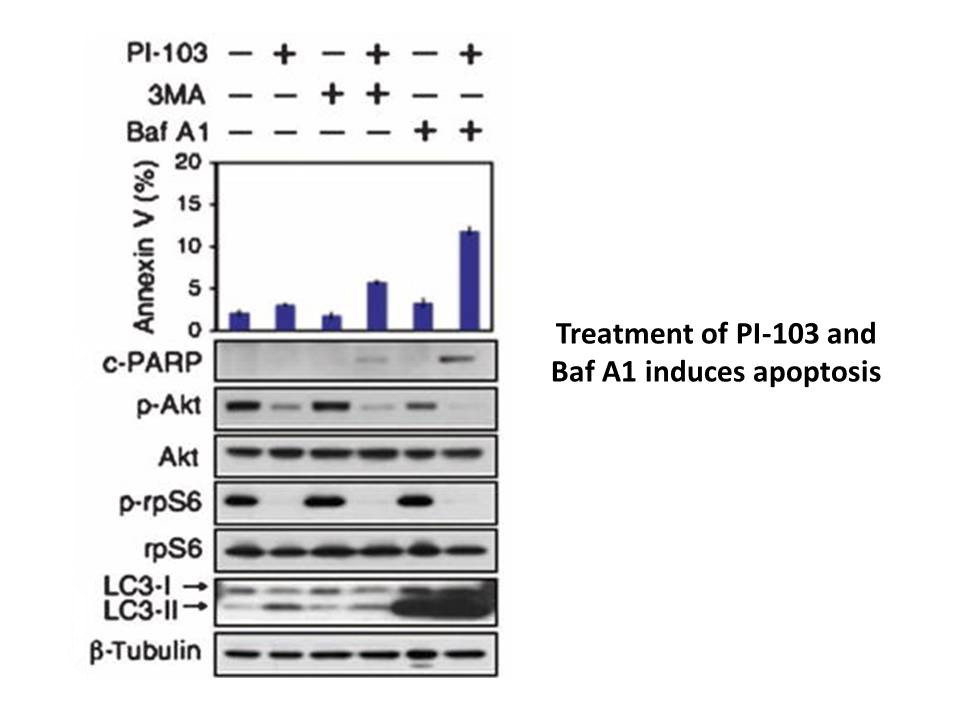
The authors thank Dr. J. Aoki, University of Tokyo, for kindly providing 5E5-ATX antibody. This work was supported by a grant from the Deutsche Forschungsgemeinschaft to A.E.K. (KR4391/1-1), research grants “Primary sclerosing cholangitis” from the Deutsche Crohn-Colitis-Vereinigung and the Norwegia
-
Despite their different effects on cell survival the functio
2024-10-12

Despite their different effects on cell survival, the functions of autophagy and apoptosis are not completely independent. Additionally, Cho et al. (2009) suggested that the mediation of caspase-3 links the apoptotic and autophagic signaling pathways. Consequently, to illuminate the correlation, exc
-
It is reported that calpain plays a critical
2024-10-12
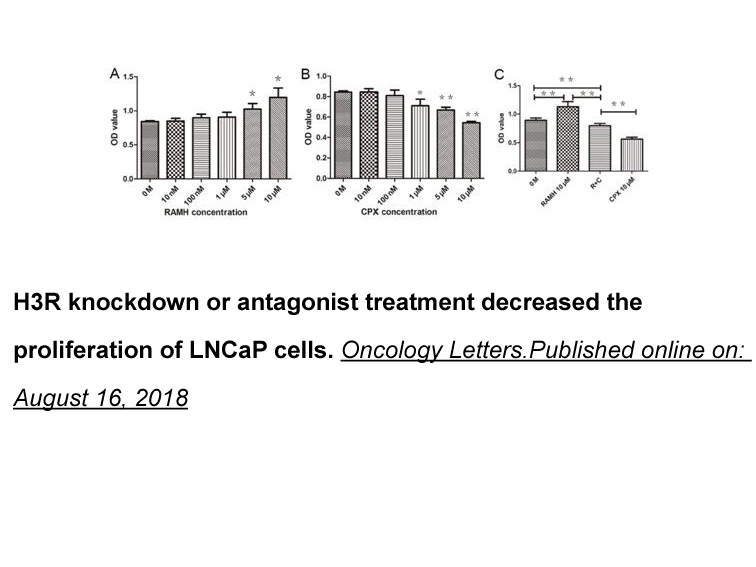
It is reported that calpain-2 plays a critical role in BDNF-induced signaling and memory formation, and knockdown of calpain-2, but not calpain-1, completely suppresses BDNF-induced pathway activation and protein translation (Briz et al., 2013). BDNF prevents neuronal apoptosis or death (Ferrer et a
-
Echinocandin resistance is systematically associated with po
2024-10-12
Echinocandin resistance is systematically associated with point mutations in either FSK1 or FSK2 genes [7], [104]. These mutations are located in two different not spot regions of these genes named HS1 and HS2. Hot spot mutations have been reported in C. albicans, C. glabrata, C. tropicalis, C. krus
15806 records 94/1054 page Previous Next First page 上5页 9192939495 下5页 Last page