Archives
- 2026-06
- 2026-05
- 2026-04
- 2026-03
- 2026-02
- 2026-01
- 2025-12
- 2025-11
- 2025-10
- 2025-09
- 2025-03
- 2025-02
- 2025-01
- 2024-12
- 2024-11
- 2024-10
- 2024-09
- 2024-08
- 2024-07
- 2024-06
- 2024-05
- 2024-04
- 2024-03
- 2024-02
- 2024-01
- 2023-12
- 2023-11
- 2023-10
- 2023-09
- 2023-08
- 2023-06
- 2023-05
- 2023-04
- 2023-03
- 2023-02
- 2023-01
- 2022-12
- 2022-11
- 2022-10
- 2022-09
- 2022-08
- 2022-07
- 2022-06
- 2022-05
- 2022-04
- 2022-03
- 2022-02
- 2022-01
- 2021-12
- 2021-11
- 2021-10
- 2021-09
- 2021-08
- 2021-07
- 2021-06
- 2021-05
- 2021-04
- 2021-03
- 2021-02
- 2021-01
- 2020-12
- 2020-11
- 2020-10
- 2020-09
- 2020-08
- 2020-07
- 2020-06
- 2020-05
- 2020-04
- 2020-03
- 2020-02
- 2020-01
- 2019-12
- 2019-11
- 2019-10
- 2019-09
- 2019-08
- 2019-07
- 2019-06
- 2019-05
- 2019-04
- 2018-11
- 2018-10
- 2018-07
-
Overall our results indicated the involvement of GABAAR in c
2022-01-04
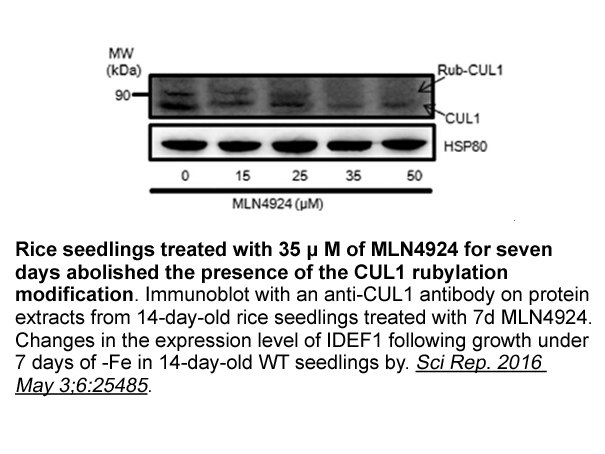
Overall, our results indicated the involvement of GABAAR in controlling GnRH/LH release through mechanism which included GABA action on molecular processes leading to GnRH biosynthesis. This is consistent with previous in vivo [14,54] and in vitro [55] studies in ewes suggesting that GABA inhibits G
-
L-a-Hydroxyglutaric acid disodium salt Introduction l Glutam
2022-01-04
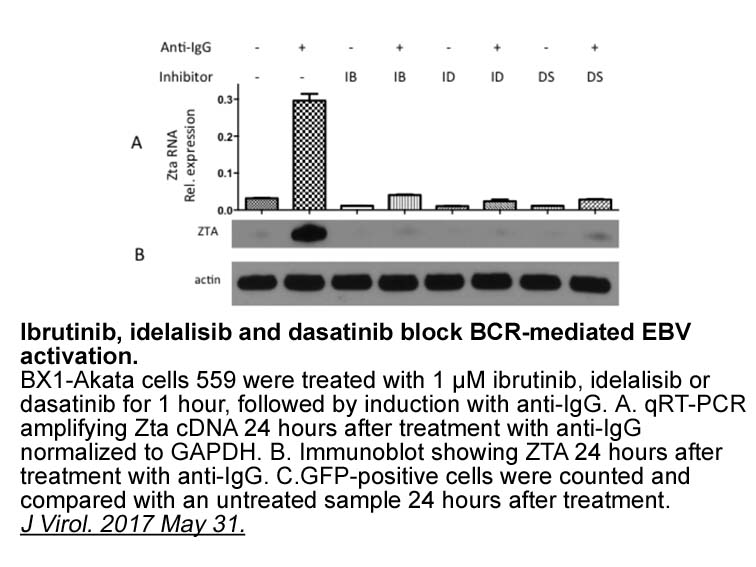
Introduction l-Glutamate is a major excitatory neurotransmitter in the mammalian central nervous system (CNS) that contributes not only to fast synaptic neurotransmission, but also to complex physiological processes like memory, learning, plasticity, and neuronal cell death [30], [81]. Glutamate is
-
br Conclusion br Acknowledgment This study was
2022-01-04
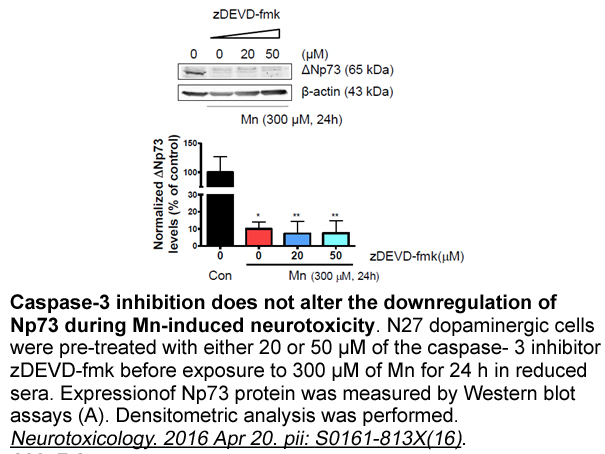
Conclusion Acknowledgment This study was supported by grants from the Excellence Initiative of the German federal and state governments, the Else Kröner-Fresenius Foundation and the German Society for Cardiology (DGK) to F.K. and grants from the Deutsche Forschungsgemeinschaft (SFB TRR 219 M-0
-
961 synthesis Based on the previous report that FXR regulate
2022-01-04
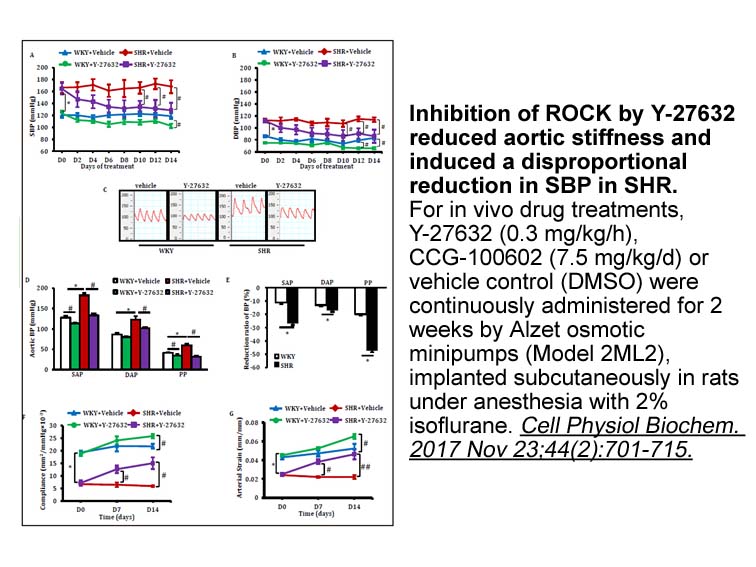
Based on the previous report that FXR regulated PEPCK indirectly [20], we speculated that FXR may regulate gluconeogenesis by regulating some key transcription factors associated with gluconeogenesis. Finally, by using HS218 as a probe, we found that FXR binds to PGC-1α promoter and directly regulat
-
It raises a question about
2022-01-04
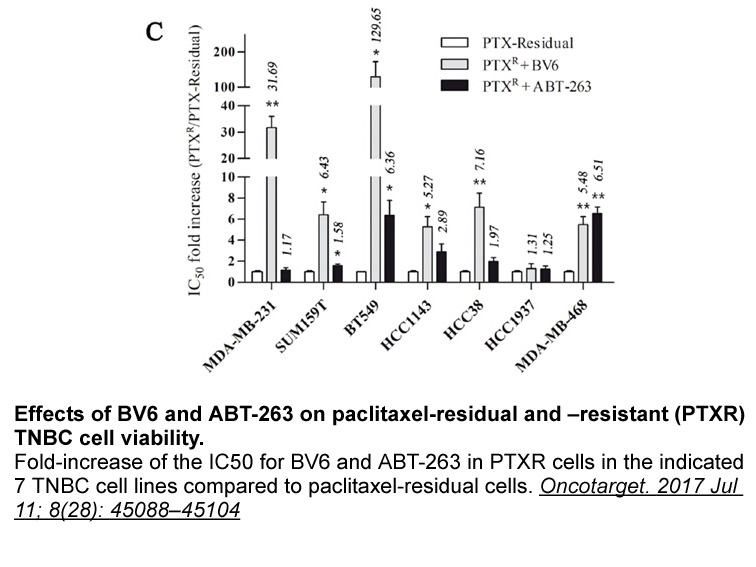
It raises a question about origin of the sensitivity to Ca of both FBPase isozymes. Was the ancestral vertebrate FBPase inhibited by calcium similarly to the liver isozyme? And is the high sensitivity of FBP2 a new evolutionary feature of warm-blooded vertebrates? Additionally, since subcellular lo
-
Our senescence induction method of
2022-01-03
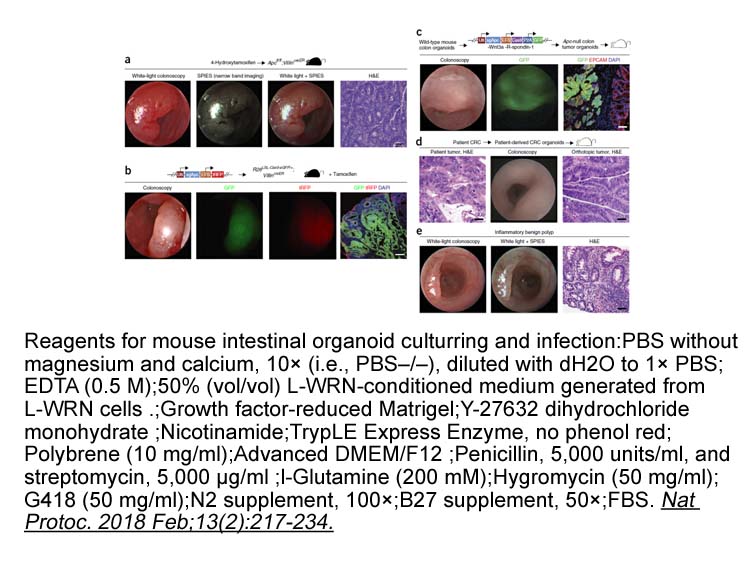
Our senescence induction method of choice was replicative exhaustion, although p300 KD was also able to delay the onset of OIS (Figures 7Q and 7R). RS has been implicated in tissues with high turnover such as skin, gut, and blood (Hornsby, 2002) and likely the few mitotic GNE-617 in the body, such
-
br Acknowledgements and disclosures This work was supported
2022-01-03
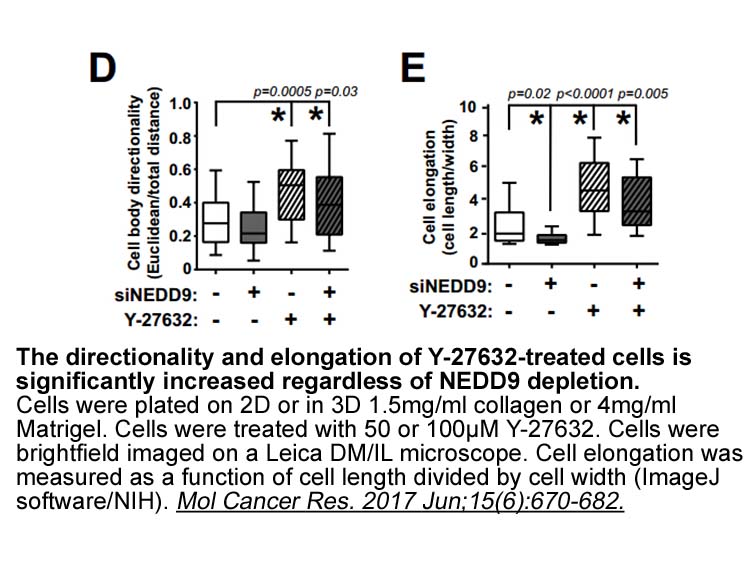
Acknowledgements and disclosures This work was supported in part by the National Institutes of Health (R01 HL-131673-01A1) and the Veterans Administration (BX-002539-01), United States. The authors have nothing to disclose concerning any conflict of interest. Introduction Adaptations are ofte
-
Recently IL was also identified as an
2022-01-03
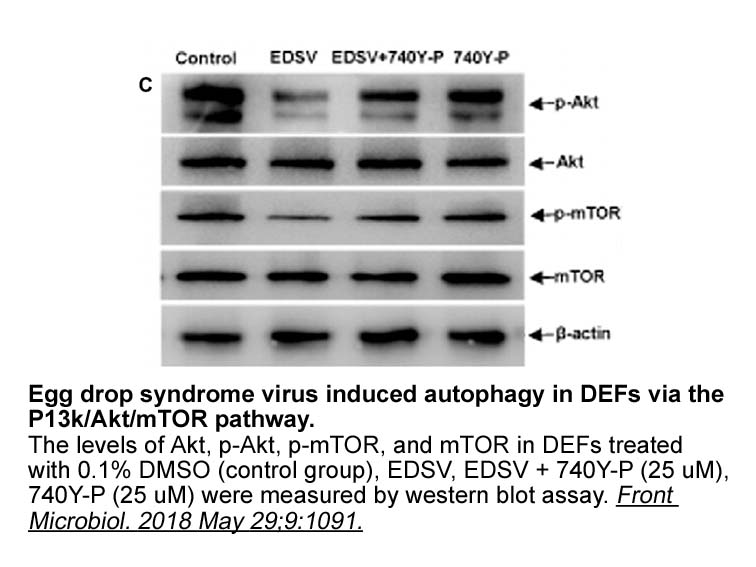
Recently, IL-10 was also identified as an important mediator of collagen deposition in the development of HF [64,65]. It was shown, that this cytokine activates macrophages found in the hearts of mice suffering from diastolic dysfunction in the autocrine manner [64]. In response, specific subset of
-
Accumulating studies revealed a decline of TET expression in
2022-01-03
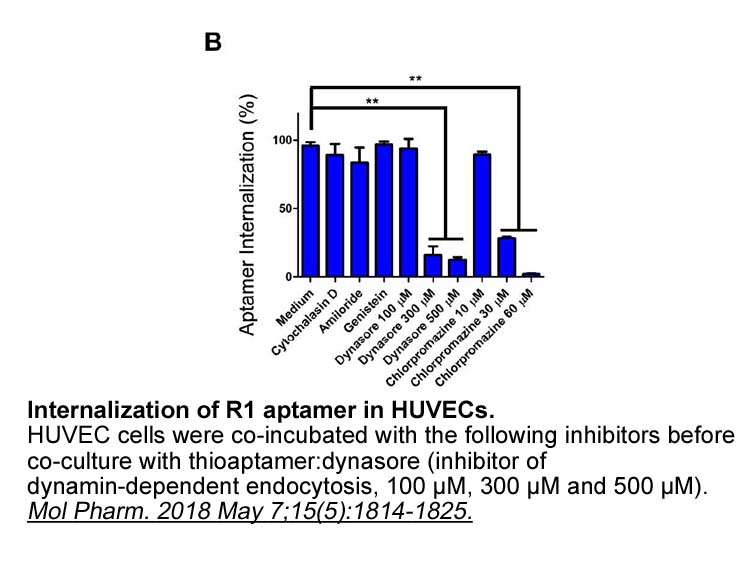
Accumulating studies revealed a decline of TET1 expression in various cancers including breast, liver, colon, skin, prostate cancers [[36], [37], [38]]. Contrast to these studies, our previous research shows that TET1 is overexpressed in EC and improves the efficacy of chemotherapy in EC, coincide w
-
Introduction Glucose is the most important
2022-01-03
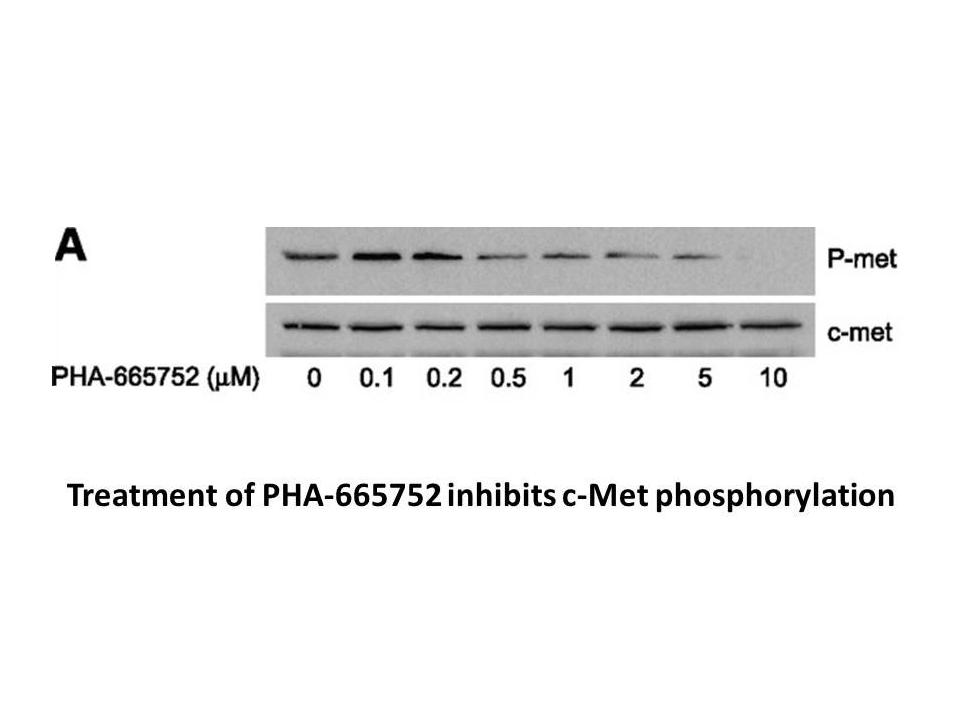
Introduction Glucose is the most important energy carrier of the brain. Glucose transporter type 1 (Glut1) is located at the blood–brain barrier and assures the energy-independent, facilitative transport of glucose into the brain [1]. Twelve transmembrane segments of the protein and an intracellula
-
By using pharmacological treatment with CBX or transgenic an
2022-01-03

By using pharmacological treatment with CBX or transgenic animals lacking the two major astroglial Cxs, the Double KO mouse, we demonstrated that the gap-FRAP technique was able to detect the total inhibition of GJC with a reduction of about 39% and 38% compared to control, respectively. The residua
-
It is widely acknowledged that a significant gap exists betw
2022-01-03
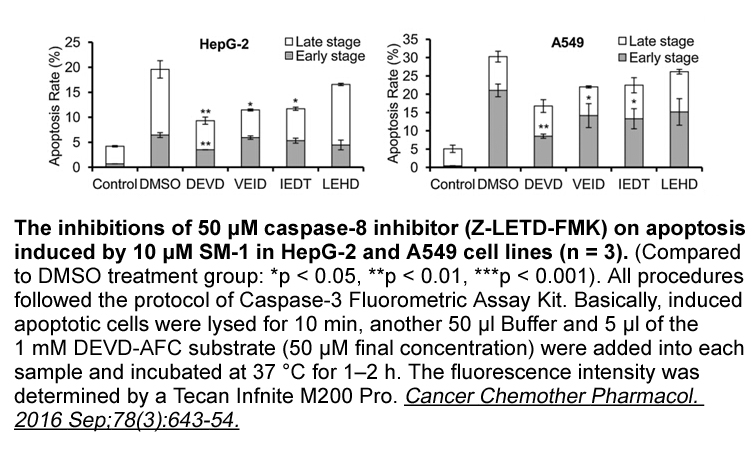
It is widely acknowledged that a significant gap exists between the increasingly detailed knowledge of subcellular mechanisms and the ability to control large-scale anatomy. Radical advances in regenerative medicine require approaches aimed at taming the fundamental complexity of cellular regulation
-
Compound and several additional FPR antagonists
2022-01-03
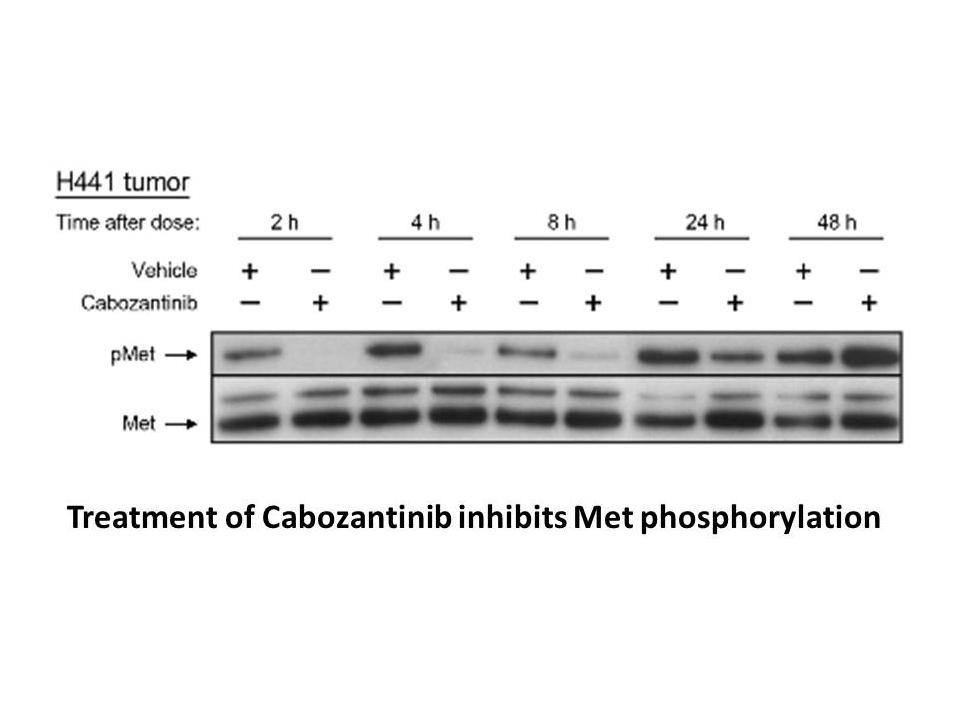
Compound 10 and several additional FPR1 antagonists identified here specifically blocked fMLF-induced responses mediated via FPR1 in FPR1-HL60 (-)-Bicuculline methiodide and human neutrophils, but not responses mediated via FPR2 or FPR3 (in human neutrophils and transfected HL60 cells) or Fpr1 (muri
-
ly411575 With the nitrogen containing heterocycle components
2022-01-03
With the nitrogen-containing heterocycle components and the acidic components in hand, the final products were synthesized according to the procedure as depicted in . Reaction of – with various β-substituted phenylpropionic ly411575 (, and ), followed by deprotection by TFA, smoothly provided the co
-
It raises a question about origin
2022-01-03
It raises a question about origin of the sensitivity to Ca of both FBPase isozymes. Was the ancestral vertebrate FBPase inhibited by calcium similarly to the liver isozyme? And is the high sensitivity of FBP2 a new evolutionary feature of warm-blooded vertebrates? Additionally, since subcellular lo
15797 records 516/1054 page Previous Next First page 上5页 516517518519520 下5页 Last page